


Can celery and mung beans be eaten together?
Jun 13, 2025
Source: Cainiu Health

Dr. Yu Yongchao
Introduction
Celery is rich in vitamin C, dietary fiber, and minerals, while mung beans are abundant in protein, carbohydrates, and B vitamins. Combining these two ingredients provides a variety of nutrients that promote overall health. For example, during hot summer months, cooking celery and mung beans together into a soup can effectively relieve heat and replenish essential nutrients, making it safe and beneficial for most people.
Generally speaking, celery and mung beans can be consumed together. The details are as follows:
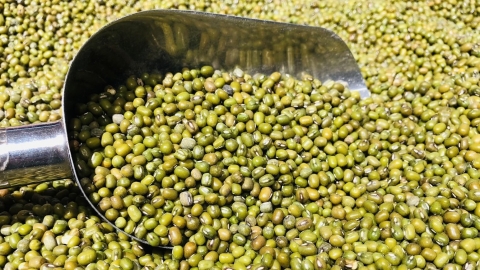
Celery is rich in dietary fiber, vitamins, and minerals, which help promote digestion and lower blood pressure, among other benefits. Mung beans are rich in protein, carbohydrates, and various vitamins, and have effects of clearing heat, detoxifying, relieving summer heat, and quenching thirst. From a nutritional perspective, there are no obvious incompatibilities between the two, and moderate combination can provide various nutrients beneficial to health.
However, for certain specific populations, such as individuals with spleen and stomach deficiency cold, a cold body constitution, or weak digestive function, consuming large amounts of both celery and mung beans may cause discomfort symptoms such as diarrhea and abdominal pain. This is because celery is cool in nature, and mung beans also have the effect of clearing heat and removing dampness. Combining the two may intensify internal coldness, thereby increasing the burden on the digestive system. Some people may be allergic to mung beans or celery, and in such cases, it is not recommended to consume them together.
In daily life, maintaining good eating habits and avoiding overly greasy or spicy foods helps maintain health.







