


What should not be eaten while taking Chinese herbal medicine
Jun 18, 2025
Source: Cainiu Health

Dr. Sun Lianqing
Introduction
During the period of taking traditional Chinese medicine, it is generally advisable to avoid consuming spicy foods, raw or cold foods, greasy foods, seafood, and alcoholic beverages. Additionally, caution should be exercised when using the following medications concurrently: ibuprofen sustained-release capsules, azithromycin dispersible tablets, nitroglycerin tablets, aspirin enteric-coated tablets, and dexamethasone acetate tablets. Spicy ingredients such as chili peppers and Sichuan peppercorns are warm in nature and can easily irritate the gastrointestinal tract.
When taking traditional Chinese medicine (TCM), it is generally advisable to avoid consuming spicy foods, raw or cold foods, greasy foods, seafood, and alcoholic beverages. Additionally, caution should be exercised when using TCM concurrently with medications such as ibuprofen sustained-release capsules, azithromycin dispersible tablets, nitroglycerin tablets, aspirin enteric-coated tablets, and dexamethasone acetate tablets. A detailed explanation is as follows:
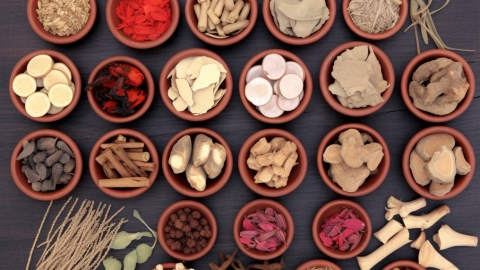
I. Foods
1. Spicy foods: Spicy foods such as chili peppers and Sichuan peppercorns are warm or hot in nature and can easily irritate the gastrointestinal tract. They may exacerbate internal heat syndromes and interfere with the heat-clearing and detoxifying effects of TCM. Moreover, spicy components may hinder the absorption of active TCM ingredients in the gastrointestinal tract, reducing therapeutic efficacy and delaying recovery.
2. Raw or cold foods: Cold foods such as iced beverages and raw fish slices may impair the yang energy of the spleen and stomach and weaken their digestive and absorptive functions. Since the effectiveness of TCM relies on normal digestive and absorptive functions of the spleen and stomach, cold foods that cause spleen-stomach deficiency and cold may lead to incomplete drug absorption and reduce treatment effectiveness.
3. Greasy foods: High-fat foods such as fried foods and fatty meats are difficult to digest and may accumulate in the gastrointestinal tract, hindering contact between TCM components and the intestinal wall, thus slowing drug absorption. In addition, greasy foods may increase the burden on the gastrointestinal tract, counteracting the regulatory effects of TCM.
4. Seafood: Seafood such as fish, shrimp, crabs, and shellfish are high in protein and often have a fishy odor, which may trigger allergic reactions in some individuals, complicating the assessment of adverse reactions to TCM. Furthermore, the cold or heat-inducing properties of seafood may conflict with the medicinal properties of TCM, thereby affecting the intended therapeutic outcome.
5. Alcoholic beverages: Alcohol itself has a dispersing effect, which may alter the properties and efficacy of TCM and potentially cause chemical reactions with its components, producing harmful substances. Additionally, alcohol stimulates the liver, affects drug metabolism, increases the burden on the liver and kidneys, and reduces the safety of treatment.
II. Medications
1. Ibuprofen sustained-release capsules: Ibuprofen is a non-steroidal anti-inflammatory drug (NSAID). When used in combination with TCM, it may increase irritation to the gastrointestinal mucosa, causing adverse reactions such as nausea, vomiting, and ulcers. Especially when TCM contains blood-activating and stasis-resolving ingredients, the combined use may increase the risk of bleeding.
2. Azithromycin dispersible tablets: Azithromycin is metabolized in the liver. Certain TCM ingredients (e.g., rhubarb or coptis) may affect the activity of metabolic enzymes, leading to drug accumulation in the body and increasing the risk of hepatotoxicity and nephrotoxicity. Concurrent use may also cause gastrointestinal discomfort such as abdominal pain and diarrhea.
3. Nitroglycerin tablets: Nitroglycerin is used to relieve angina pectoris. Certain TCM formulations (e.g., those containing ephedra) may stimulate the sympathetic nervous system and elevate blood pressure, counteracting the vasodilatory and blood pressure-lowering effects of nitroglycerin and reducing the effectiveness of emergency treatment.
4. Aspirin enteric-coated tablets: Aspirin has antiplatelet aggregation properties. When used with blood-activating and stasis-resolving TCM such as Salvia miltiorrhiza (Danshen) and Ligusticum chuanxiong (Chuanxiong), it may enhance anticoagulant effects, increasing the risk of bleeding, such as gingival bleeding, subcutaneous bruising, or even intracranial hemorrhage.
5. Dexamethasone acetate tablets: Dexamethasone is a glucocorticoid. Long-term combination with TCM may interfere with the body's immune regulation and impair the therapeutic effects of TCM in strengthening the body's defenses and consolidating its vital energy. Additionally, the side effects of corticosteroids may conflict with the regulatory effects of TCM.
During the course of taking TCM, it is essential to strictly follow medical advice regarding dietary restrictions and avoid self-medicating with other drugs. If adverse symptoms occur during treatment or if other medications need to be taken concurrently, it is imperative to promptly consult a physician or pharmacist to ensure safe and effective medication use.




