What are the signs of contraceptive failure when taking birth control pills?
Jun 19, 2025
Source: Cainiu Health

Dr. Zhang Lu
Introduction
Everyone's physical condition and reaction may vary, and contraceptive failure caused by birth control pills does not necessarily have clear early warning signs. If contraceptive pills fail, early symptoms or manifestations may include delayed menstruation, early pregnancy reactions, abdominal discomfort, frequent urination, vaginal bleeding, or other related symptoms. If contraceptive failure is suspected, timely pregnancy testing should be conducted, such as blood or urine tests, to enable prompt action.
Each individual's physical condition and response may vary, and there may not necessarily be clear early signs of contraceptive failure when taking birth control pills. If contraception fails, early symptoms or manifestations may include delayed menstruation, early pregnancy reactions, abdominal discomfort, frequent urination, vaginal bleeding, etc. Detailed analysis is as follows:
1. Delayed Menstruation
Birth control pills usually make menstrual cycles more regular, but if contraceptive failure occurs, it may cause menstruation to come earlier or later than expected, or even result in irregular bleeding.
2. Early Pregnancy Symptoms
Due to hormonal changes following pregnancy, women experiencing contraceptive failure may develop symptoms such as nausea, vomiting, breast tenderness, and frequent urination.
3. Abdominal Discomfort
There may be mild pain or a feeling of pressure in the lower abdomen, similar to the discomfort experienced before menstruation. If an ectopic pregnancy occurs, sudden severe pain in one side of the lower abdomen may appear.
After pregnancy, frequent urination may occur due to the enlarged uterus pressing on the bladder and hormonal changes in the body. Additionally, increased renal blood flow and filtration rate in early pregnancy can also lead to increased urine output.
5. Vaginal Bleeding
During the use of contraceptive pills, if irregular bleeding occurs, especially if the bleeding is heavy or lasts for a prolonged period, it may indicate that the pill has failed to effectively regulate hormone levels, thus indicating possible contraceptive failure.
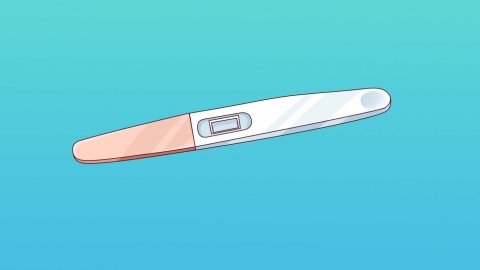
If contraceptive failure is suspected, prompt pregnancy testing, such as blood or urine tests, should be conducted to enable timely action.