


Is the root of Sedum sarmentosum poisonous?
Jun 23, 2025
Source: Cainiu Health

Dr. Sun Lianqing
Introduction
Both the root and the whole plant of *Sedum sarmentosum* Bunge are within the scope of traditional medicinal use. According to records in classical Chinese medical literature and clinical applications, when administered in the recommended dosages, no definite toxicity has been observed. It is safely used for the treatment of conditions such as damp-heat jaundice and toxic swellings or sores. As long as it is used under medical supervision and appropriately combined with other herbs, it does not cause harm to the human body and is considered relatively safe.
Generally non-toxic, the root of Sedum sarmentosum may still pose risks when used improperly or in special individual cases. Should any abnormalities occur, prompt medical attention is advised. Detailed analysis is as follows:
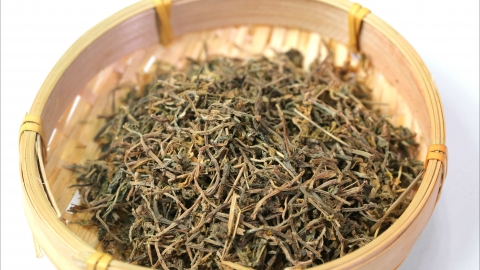
Both the root and the whole herb of Sedum sarmentosum fall within the scope of traditional medicinal use. According to records in traditional Chinese medical literature and clinical applications, when used according to the prescribed dosage, no clear toxicity has been observed. It is normally used for treating conditions such as damp-heat jaundice and abscesses or toxic swellings. As long as it is administered under medical guidance and appropriately combined with other herbs, it should not cause harm to the human body and is considered relatively safe.
However, if one collects wild Sedum sarmentosum roots by oneself, it may be difficult to determine whether they have been affected by environmental pollution or pesticide residues, potentially leading to the indirect intake of harmful substances. Individuals with allergic constitutions may experience allergic reactions such as rashes, itching, or even respiratory discomfort, even if the substance itself is non-toxic. Additionally, excessive consumption of the root beyond the body's metabolic capacity may also lead to adverse reactions such as abdominal pain and diarrhea.
Prior to using Sedum sarmentosum root, ensure its source is safe and understand your own physical condition. It is essential to seek guidance from a qualified physician. Do not consume or use it medicinally without professional advice. If any discomfort occurs, discontinue use immediately and seek medical attention.




