


What are the common causes of transient headache?
Jun 25, 2025
Source: Cainiu Health

Dr. Yang Ziqi
Introduction
Under normal circumstances, common causes of transient headaches may include stress and tension, fatigue, dehydration, migraines, and increased intracranial pressure. Symptomatic management is required, such as general treatment and medication. It is recommended to maintain good daily habits, such as regular作息 (作息 translates to作息 rhythm or routine), balanced diet, and moderate exercise, which can help maintain overall health.
Generally, common causes of transient headache may include stress and tension, fatigue, dehydration, migraine, and increased intracranial pressure. Symptomatic management through general treatments and medication is usually required. If symptoms persist, it is recommended to seek timely medical consultation for appropriate treatment under a physician's guidance. Detailed analysis is as follows:
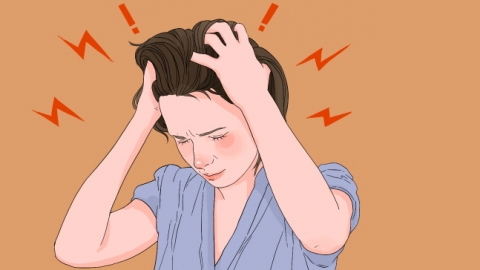
1. Stress and Tension
When an individual is under high stress or tension, muscle tension can occur, especially in the neck and head regions. This muscle tension may trigger transient headaches, which may be accompanied by symptoms such as anxiety, insomnia, and fatigue. It is recommended to employ relaxation techniques such as deep breathing, meditation, and yoga, which can help relieve both muscular tension and psychological stress.
2. Fatigue
Extended periods of work, study, or life stress can lead to physical fatigue, preventing the nervous system from obtaining sufficient rest and potentially causing spasms that result in headaches. These headaches are typically short-lived and represent the body's response to fatigue and lack of sleep. Ensuring adequate sleep, along with appropriate rest and relaxation, is recommended to alleviate symptoms.
3. Dehydration
Inadequate water intake can lead to dehydration, which affects the efficiency of blood flow to the brain and may cause slight brain tissue contraction, resulting in transient headaches. Symptoms may also include thirst, dark yellow urine, and dizziness. Prompt hydration is recommended, and consumption of caffeine- or alcohol-containing beverages should be avoided to prevent worsening dehydration.
4. Migraine
Migraines are typically caused by genetic factors, neuronal excitability disorders, and environmental changes. They may be associated with abnormal activity in the neural pathways of the brain. Migraines are characterized by recurrent unilateral headaches often accompanied by symptoms such as nausea, photophobia, and phonophobia. It is recommended to use medications such as Nimodipine Tablets, Compound Propranolol and Caffeine Tablets, and Topiramate Tablets under a physician's guidance for treatment.
5. Increased Intracranial Pressure
Elevated intracranial pressure may be caused by various conditions such as cerebral edema, intracranial hemorrhage, and meningitis. Increased intracranial pressure compresses brain tissue and neural structures, affecting cerebrospinal fluid circulation and cerebral blood flow, leading to symptoms such as headache and visual disturbances. It is recommended to use medications such as Spironolactone Tablets, Nifedipine Tablets, and Compound Captopril Tablets under a physician's guidance for treatment.
It is recommended to maintain healthy lifestyle habits, such as regular sleep patterns, balanced nutrition, and moderate exercise, which can help maintain overall health.



