Does water bamboo contain oxalic acid?
Jun 26, 2025
Source: Cainiu Health

Dr. Yu Yongchao
Introduction
The oxalic acid content in water bamboo varies depending on growing conditions, maturity, and other factors. Both the stems and leaves of fresh water bamboo contain oxalic acid, particularly in immature water bamboo, where the oxalic acid content is relatively higher. This substance itself has a certain astringent taste; if water bamboo is consumed without prior treatment, not only will the texture be less than ideal, but it may also affect the body's absorption of minerals such as calcium.
Under normal circumstances, water bamboo contains oxalic acid, which is a naturally occurring component. The specific analysis is as follows:
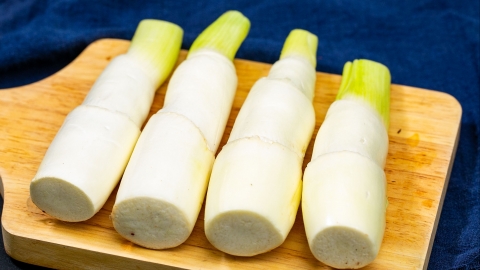
The oxalic acid content in water bamboo varies depending on factors such as growing environment and maturity. Both the stems and leaves of fresh water bamboo contain oxalic acid, particularly in immature water bamboo, where the oxalic acid content is relatively higher. This substance itself has a certain astringent taste, and if water bamboo is consumed directly without processing, not only will the texture be less than ideal, but it may also affect the body's absorption of minerals such as calcium.
However, oxalic acid is water-soluble, and its content can be effectively reduced through appropriate processing methods. Before cooking water bamboo, peel and slice it, then blanch it in boiling water for 1-2 minutes to remove most of the oxalic acid, reducing the astringency and making the texture more tender and delicious. Water bamboo that has been blanched not only tastes better but also reduces the impact of oxalic acid on the body's nutrient absorption.
When consuming water bamboo, it is important to blanch it first to remove oxalic acid, especially when preparing cold dishes with water bamboo or combining it with calcium-rich ingredients. Proper oxalic acid removal treatment must be carried out to ensure food safety and nutrient absorption.