


Does asparagus contain oxalic acid?
Jun 28, 2025
Source: Cainiu Health

Dr. Yu Yongchao
Introduction
Under normal circumstances, asparagus contains oxalic acid. When consuming asparagus, it is advisable to blanch it before cooking, especially when preparing it for cold dishes or stir-frying. Blanching helps remove some of the oxalic acid, reducing its astringent taste and minimizing the impact of oxalic acid on calcium absorption. Additionally, asparagus is a tender and fresh ingredient, so the blanching time should not be too long to avoid nutrient loss.
Generally speaking, asparagus contains oxalic acid. The detailed explanation is as follows:
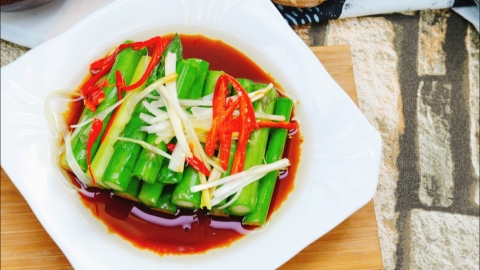
Asparagus is a vegetable that naturally contains oxalic acid. Oxalic acid is widely present in many plant-based foods. As the tender stem of a Liliaceae plant, asparagus naturally contains a certain amount of oxalic acid within its tissue cells. Particularly in the peel and immature parts of fresh asparagus, the oxalic acid content tends to be relatively higher. At the same time, asparagus is also rich in nutrients. It is a good source of vitamin C, B-complex vitamins (such as B1, B2, and niacin), which help maintain body metabolism and support nervous system health. It also contains minerals like potassium, phosphorus, and magnesium, with potassium playing a positive role in regulating electrolyte balance and maintaining normal heart function. Additionally, asparagus contains abundant dietary fiber, which promotes intestinal motility and aids digestion.
When consuming asparagus, it is important to note that due to its oxalic acid content, it is recommended to blanch it before cooking in order to remove some of the oxalic acid, especially when preparing dishes such as cold salads or stir-fries. Blanching helps reduce the astringent taste and minimizes the impact of oxalic acid on calcium absorption. Moreover, as asparagus is a tender ingredient, the blanching time should not be too long to prevent excessive nutrient loss.


