


Can people with cough eat fennel?
Jun 30, 2025
Source: Cainiu Health

Dr. Ren Yi
Introduction
Patients with cough due to wind-cold invasion are often affected by external contraction of wind and cold. Common symptoms include coughing with white phlegm and a clear nasal discharge. Fennel has a warm nature, and moderate consumption can help dispel cold from the body, alleviating cough symptoms caused by wind-cold. Additionally, if gastrointestinal function is normal at this time, the essential oil components contained in fennel can also promote digestion, improve appetite, assist patients in obtaining adequate nutrition, enhance physical resistance, and support recovery from illness.
Patients with cough due to wind-cold and without gastrointestinal discomfort may consume适量 fennel seeds. However, fennel is not recommended for those with wind-heat cough or concurrent gastrointestinal dysfunction. If in doubt, it is advisable to consult a healthcare professional beforehand. Detailed explanations are as follows:
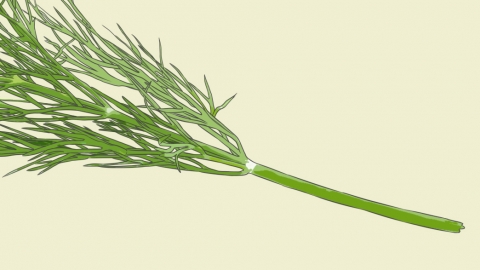
Patients with wind-cold cough typically develop symptoms due to exposure to cold pathogens, often presenting with clear phlegm and runny nose. Fennel has a warm nature, and moderate consumption can help dispel internal cold and relieve cough symptoms caused by wind-cold. Additionally, if gastrointestinal function is normal, the volatile oil components in fennel can aid digestion, improve appetite, help patients replenish nutrients, enhance immunity, and support recovery.
Patients with wind-heat cough have internal heat accumulation, presenting with symptoms such as yellow phlegm, dry throat, and thirst. Consuming fennel may intensify internal heat, worsening cough symptoms. Moreover, for patients with gastrointestinal symptoms such as nausea, vomiting, or abdominal distension, the dietary fiber in fennel may be difficult to digest, and excessive consumption could burden the gastrointestinal system, leading to indigestion and hindering recovery.
Before consuming fennel, patients with cough should identify their cough type and assess gastrointestinal health. Patients with wind-cold cough should control the amount consumed and opt for light cooking methods. Those with wind-heat cough or gastrointestinal discomfort should avoid fennel as much as possible. If cough worsens or other adverse reactions occur after consumption, usage should be stopped immediately and medical advice sought.






