


What are the causes of thyroid enlargement?
Jun 30, 2025
Source: Cainiu Health

Dr. Bai Hongmei
Introduction
In general, thyroid enlargement may be caused by factors such as puberty, medications, simple goiter, subacute thyroiditis, or Hashimoto's thyroiditis. It is recommended to seek timely medical attention and follow the doctor's guidance for treatment. In daily life, one should maintain emotional stability and avoid prolonged mental stress and anxiety, while also avoiding excessive fatigue and ensuring adequate sleep.
In general, thyroid enlargement may be caused by puberty, medication factors, simple goiter, subacute thyroiditis, Hashimoto's thyroiditis, and other reasons. It is recommended to seek medical attention promptly and undergo treatment under the guidance of a doctor. Specific analysis is as follows:
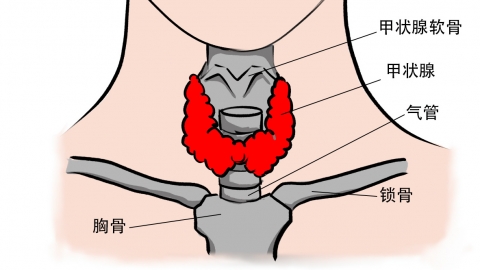
1. Puberty
During puberty, the body grows and develops rapidly, increasing the demand for thyroid hormones. To meet these demands, the thyroid gland may compensatorily proliferate and enlarge, which is a normal physiological phenomenon. No special measures are required in daily life, just ensure a balanced diet and consume more foods rich in proteins, vitamins, and minerals.
2. Medication Factors
Some medications may interfere with the synthesis of thyroid hormones. For example, thiourea and sulfonamide drugs can inhibit the activity of thyroid peroxidase, thereby causing thyroid enlargement. It is recommended to discontinue or switch medications under medical guidance.
3. Simple Goiter
Simple goiter is often caused by iodine deficiency. Iodine is an essential raw material for synthesizing thyroid hormones. Iodine deficiency leads to insufficient thyroid hormone synthesis, which reflexively stimulates the pituitary gland to secrete thyroid-stimulating hormone (TSH), and persistently elevated TSH levels promote thyroid proliferation and enlargement. Symptoms such as difficulty breathing and swallowing may also occur. Patients should follow medical advice to use medications such as povidone-iodine solution, levothyroxine sodium tablets, and propylthiouracil tablets for treatment.
4. Subacute Thyroiditis
Subacute thyroiditis is usually triggered by a viral infection. After a viral infection, inflammatory reactions occur in the thyroid tissue, with inflammatory cell infiltration leading to thyroid enlargement. Patients may also experience symptoms such as fever and fatigue. Under a doctor's recommendation, patients can use medications such as ibuprofen sustained-release tablets, thyroid tablets, and prednisone tablets for treatment.
5. Hashimoto's Thyroiditis
Hashimoto's thyroiditis is an autoimmune disease, possibly related to the body's immune system mistakenly attacking thyroid tissue. Inflammation causes damage and destruction of thyroid cells, and the thyroid gradually enlarges under inflammatory stimulation. Symptoms such as cold intolerance, drowsiness, and weight gain may also occur. Patients can use medications such as propranolol hydrochloride tablets, metoprolol tartrate tablets, and bisoprolol fumarate tablets under medical guidance for treatment.
In daily life, it is important to maintain emotional stability and avoid long-term mental stress and anxiety. At the same time, avoid excessive fatigue and ensure adequate sleep.






