


Can Chinese prickly ash (Zanthoxylum bungeanum) treat hemorrhoids?
Jul 01, 2025
Source: Cainiu Health

Dr. Li Jingxiang
Introduction
In general, Sichuan pepper may alleviate symptoms of hemorrhoids to some extent, but it cannot fundamentally treat the condition. If hemorrhoids are present, it is recommended to seek timely medical attention rather than blindly using Sichuan pepper for treatment. Maintaining healthy dietary habits and lifestyle practices, avoiding prolonged sitting, and consuming more high-fiber foods can help relieve hemorrhoid symptoms and prevent recurrence.
Generally speaking, Sichuan pepper can alleviate symptoms of hemorrhoids to some extent, but it cannot fundamentally treat them. The specific analysis is as follows:
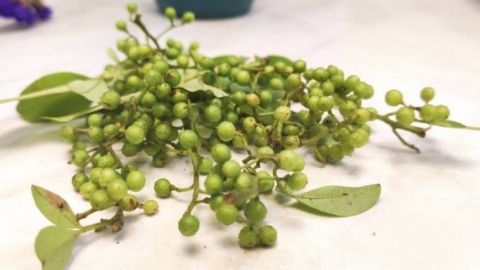
Sichuan pepper is warm in nature and pungent in taste, possessing the functions of warming the middle jiao, dispersing cold, drying dampness, and relieving itching. When used externally, Sichuan pepper decoction for sitz baths can promote local blood circulation in the anal area through warm stimulation, alleviate congestion and edema of hemorrhoidal masses, and its volatile oil components may have mild antibacterial effects, helping to reduce anal inflammation and itching. In clinical practice, when combined with other Chinese herbs such as Galla Chinensis and Sophora flavescens for sitz baths, Sichuan pepper can have a certain auxiliary effect on relieving mild hemorrhoids. However, it should be noted that the concentration and temperature of the Sichuan pepper decoction must be strictly controlled; excessive amounts or overly hot water may irritate the perianal skin and worsen discomfort.
Hemorrhoids typically develop due to patients' unhealthy lifestyle habits, such as prolonged sitting, constipation, or poor dietary habits, which lead to congestion and dilation of the anal venous plexus. In such cases, although Sichuan pepper can temporarily relieve symptoms, it cannot fundamentally eliminate hemorrhoidal masses or improve venous return. Therefore, if hemorrhoid symptoms are severe, such as persistent bleeding, severe pain, or prolapse that cannot be reduced, timely medical attention is necessary, and drug treatment or surgery should be considered when indicated.
If hemorrhoids are present, it is recommended to seek timely medical advice rather than blindly using Sichuan pepper for treatment. Maintaining healthy dietary habits and lifestyle practices in daily life, avoiding prolonged sitting, and consuming more high-fiber foods can help alleviate hemorrhoid symptoms and prevent recurrence.





