What does degeneration of uterine fibroids mean?
Jul 03, 2025
Source: Cainiu Health

Dr. Zhang Lu
Introduction
Degeneration of uterine fibroids refers to abnormal changes in the internal tissue components of the fibroids. Common types of degeneration include hyaline degeneration, cystic degeneration, red degeneration, and sarcomatous degeneration. Hyaline degeneration and cystic degeneration are benign forms of degeneration; the former involves deposition of hyaline material due to insufficient blood supply to the fibroid tissue, while the latter progresses further to form fluid-filled cystic spaces.
In general, uterine fibroid degeneration refers to abnormal changes in the internal tissue components of the fibroid, resulting in the loss of original structure. It is often triggered by factors such as ischemia, hypoxia, and infection, and represents a pathological change in the fibroid. Detailed analysis is as follows:
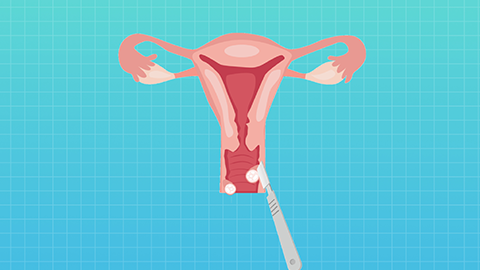
Uterine fibroids commonly undergo degenerative changes such as hyaline degeneration, cystic degeneration, red degeneration, and sarcomatous degeneration. Hyaline and cystic degenerations are benign types. The former involves deposition of hyaline material due to insufficient blood supply, while the latter progresses to form fluid-filled cystic cavities.
Red degeneration usually occurs during pregnancy or the postpartum period due to rupture of small blood vessels within the fibroid, thrombus formation, and acute ischemia, causing the fibroid to appear dark red. Patients may experience severe abdominal pain and fever. Sarcomatous degeneration is a malignant type with a low incidence rate, characterized by rapid growth of the fibroid within a short period and irregular vaginal bleeding. Ultrasound examination reveals disorganized internal echoes of the fibroid.
Different types of degeneration require different management approaches. Benign degeneration without symptoms can be observed, while symptomatic cases or suspected malignancy warrant timely surgical intervention. Daily precautions include avoiding abdominal trauma, and immediate medical attention should be sought if symptoms such as abdominal pain or abnormal bleeding occur.