


Can breastfeeding be continued with breast milk jaundice?
Jul 07, 2025
Source: Cainiu Health

Dr. Zhou Xiaofeng
Introduction
In general, if the symptoms caused by breast milk jaundice are mild, the baby can usually continue breastfeeding; however, if the symptoms are severe, breastfeeding should be discontinued. If any adverse symptoms occur, it is recommended to seek timely medical treatment at a正规 hospital. During the recovery process, continuous observation of the infant's jaundice and physical responses is necessary, and medical attention should be sought promptly if the jaundice worsens again.
Generally, if the symptoms caused by breast milk jaundice are mild, the infant can usually continue breastfeeding; however, if the symptoms are severe, breastfeeding should be temporarily discontinued. If any discomfort symptoms occur, it is recommended to seek timely medical treatment at a regular hospital. Detailed analysis is as follows:
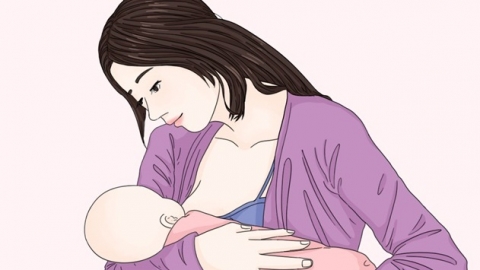
When breast milk jaundice causes only mild symptoms, the infant's serum bilirubin level is slightly elevated, typically not causing significant harm to the infant's health. These infants usually appear alert and active, with normal feeding, sleeping, urination, and bowel movements. Except for mild yellowing of the skin and whites of the eyes (sclera), there are usually no other signs of discomfort. In such cases, continued breastfeeding is generally safe. Breast milk is rich in nutrients and immune-active components, providing essential energy for infant growth and development and enhancing immunity.
If breast milk jaundice causes severe symptoms, the infant's serum bilirubin level significantly increases, possibly leading to abnormal manifestations such as drowsiness, refusal to feed, and lethargy. This indicates that certain components in breast milk are significantly affecting the infant, causing impaired bilirubin metabolism. Continuing breastfeeding may further elevate bilirubin levels, increasing the risk of serious complications such as bilirubin encephalopathy. Therefore, in such cases, breastfeeding should be temporarily stopped for 2-3 days and replaced with formula feeding. Breastfeeding can be gradually resumed once the serum bilirubin level drops by 30%-50%.
During the recovery process, continuous monitoring of the infant's jaundice status and physical response is necessary. If jaundice worsens again, prompt medical attention should be sought, and feeding strategies should be adjusted under the guidance of a physician.



