


Is fasting required for Down syndrome screening?
Jul 08, 2025
Source: Cainiu Health

Dr. Zhang Lu
Introduction
In general, fasting is not required for Down syndrome screening. When undergoing Down syndrome screening, pregnant women should ensure the examination is performed at the appropriate gestational age; prior to the test, they should accurately provide personal information including age, last menstrual period, and weight, to allow healthcare providers to calculate an accurate risk value. If the screening results indicate a high risk, there is no need to panic excessively.
Generally, Down syndrome screening does not require fasting. Detailed analysis is as follows:
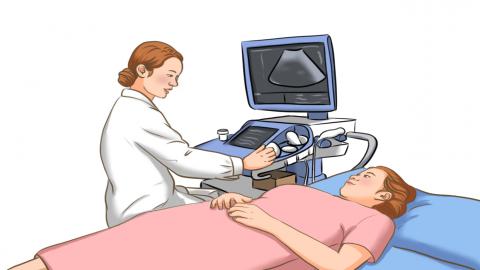
Down syndrome screening mainly calculates the risk of fetal chromosomal abnormalities such as Down syndrome by measuring the concentrations of alpha-fetoprotein, human chorionic gonadotropin, and unconjugated estriol in the pregnant woman's blood, combined with her age, weight, gestational age, and other information. Since the concentrations of these blood markers are not affected by food intake, pregnant women can eat normally before undergoing Down syndrome screening. There is no need to fast, and test results will not be significantly affected after eating.
When undergoing Down syndrome screening, pregnant women should pay attention to having the test performed at the appropriate gestational age. Before the test, they must accurately provide personal information such as their age, last menstrual period, and weight, so that doctors can accurately calculate the risk value. If the screening results indicate a high risk, there is no need to panic excessively; further diagnostic testing such as amniocentesis or non-invasive DNA testing should be conducted. At the same time, pregnant women should follow the doctor's instructions and attend regular prenatal checkups to ensure a healthy pregnancy.



