


Is fennel seed heaty?
Jul 09, 2025
Source: Cainiu Health

Dr. Sun Lianqing
Introduction
In general, consuming excessive amounts of fennel may cause heatiness, but moderate consumption usually has minimal effects. When consuming fennel, it is advisable to do so in moderation; its mild nature will not lead to accumulation of heat pathogens and can instead promote digestion and circulation of qi and blood. At the same time, consuming it with cooling foods such as mung beans and bitter melon can help neutralize its warming properties and reduce the risk of heatiness.
Generally, consuming excessive amounts of fennel may cause heatiness, but moderate consumption usually has minimal effects. Detailed analysis is as follows:
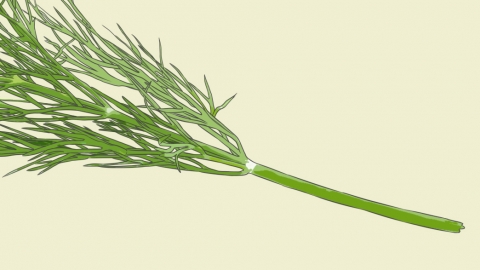
For most people, moderate consumption of fennel will not cause heatiness. The fennel oil in fennel helps promote the secretion of digestive juices, enhances gastrointestinal motility, and improves indigestion. At the same time, fennel also has certain antibacterial and anti-inflammatory properties, and moderate consumption helps maintain overall health. However, excessive consumption of fennel may lead to symptoms of heatiness. Fennel is warm in nature, and excessive intake may cause excessive internal yang qi, thereby triggering symptoms such as dry mouth, sore throat, mouth ulcers, and constipation commonly associated with heatiness. This is especially true for individuals with a hot body constitution or those prone to heatiness—they should particularly control their fennel intake.
When consuming fennel, it should be eaten in moderation, as its mild nature will not accumulate internal heat but rather promote digestion and circulation of blood and qi. It can also be consumed together with cooling foods such as mung beans and bitter melon to neutralize its warming properties and reduce the risk of heatiness. In daily life, maintaining a balanced diet and drinking plenty of water are also important.





