


Can uterine polyps affect menstruation?
Jul 09, 2025
Source: Cainiu Health

Dr. Zhang Lu
Introduction
In general, whether endometrial polyps affect menstruation mainly depends on the location, size, and number of the polyps. It is recommended to seek timely medical attention, identify the underlying cause, and undergo symptomatic treatment under a doctor's guidance. Polyps that cause significant symptoms or show signs of malignancy should be considered for surgical removal. At the same time, it is important to maintain healthy lifestyle habits in daily life.
Generally, whether uterine polyps affect menstruation mainly depends on the location, size, and number of the polyps. It is recommended to seek timely medical attention to determine the cause and receive appropriate treatment under a doctor's guidance. Detailed analysis is as follows:
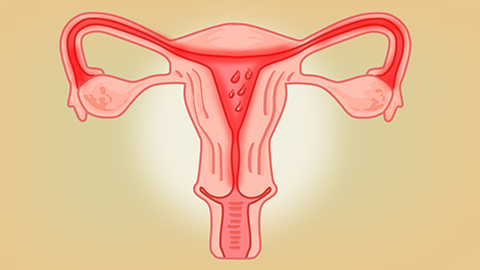
If the uterine polyps are small and located within the cervical canal without invading the uterine cavity, they may not significantly affect menstruation. In such cases, a woman's menstrual cycle and blood flow may remain normal.
When polyps affect the normal function of the endometrium or interfere with the uterus's normal physiological processes, they may impact menstruation. If the polyps are endometrial polyps, they may occupy space within the uterine cavity, affecting the normal shedding and healing of the endometrium, potentially causing increased menstrual flow, prolonged periods, or persistent spotting.
Polyps that cause significant symptoms or show potential for malignancy should be considered for surgical removal. Additionally, maintaining healthy lifestyle habits, practicing good personal hygiene, and undergoing regular gynecological examinations are important in order to promptly detect and treat uterine polyps and other gynecological conditions.


