


Does the position of the uterus change?
Jul 09, 2025
Source: Cainiu Health

Dr. Zhang Lu
Introduction
Under normal circumstances, the position of the uterus may change under certain conditions. If changes in uterine position are accompanied by obvious sensations of downward pressure, waist or abdominal pain, abnormal bleeding, or other symptoms, they may indicate the presence of pelvic floor dysfunction or other gynecological diseases, and timely medical examination is recommended. Women can perform appropriate pelvic floor muscle exercises in daily life to enhance pelvic floor support and reduce the risk of uterine prolapse.
Under normal circumstances, the uterine position may change under specific conditions. A detailed analysis is as follows:
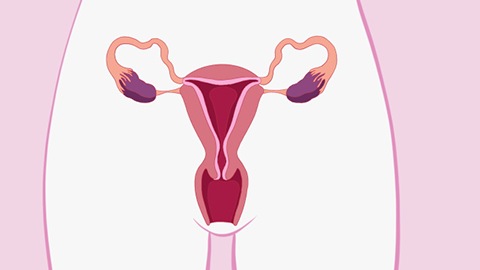
The uterus may slightly shift with changes in body position. When standing, it may drop slightly downward due to gravity, while it moves relatively upward when lying flat. During pregnancy, as the fetus grows, the uterus gradually enlarges and rises from the pelvic cavity into the abdominal cavity. After childbirth, the uterus needs to contract and recover, and its position will slowly return to the pelvic cavity. Additionally, conditions such as pelvic floor muscle relaxation or abnormal ligament tension may cause uterine prolapse, leading to a downward displacement of the uterus, and in severe cases, it may protrude outside the vaginal opening.
If changes in uterine position are accompanied by significant sensations of pressure, lower back or abdominal pain, abnormal bleeding, or other symptoms, they may indicate pelvic floor dysfunction or other gynecological diseases, and timely medical evaluation is necessary. Women can perform appropriate pelvic floor muscle exercises daily to enhance pelvic support and reduce the risk of uterine prolapse. Postpartum women should ensure adequate rest and avoid engaging in heavy physical labor too soon to promote recovery of the uterus to its normal position.






