What are the signs of sensitive skin during seasonal changes?
Nov 29, 2025
Source: Cainiu Health

Dr. Liu Wenmin
Introduction
In general, sensitive skin during seasonal transitions may exhibit symptoms such as redness, heat sensation, dryness with flaking, itching, stinging, rashes, and reduced tolerance. During seasonal changes, significant fluctuations in temperature and humidity can easily irritate the sensitive skin barrier, causing blood vessels to dilate and resulting in widespread redness accompanied by a burning sensation. These symptoms are particularly prone to worsening in environments with frequent shifts between hot and cold conditions, and they tend to last longer.
Generally, sensitive skin during seasonal transitions may exhibit symptoms such as redness, heat sensation, dryness with flaking, itching, stinging, flushing with rashes, and decreased tolerance. Detailed explanations are as follows:
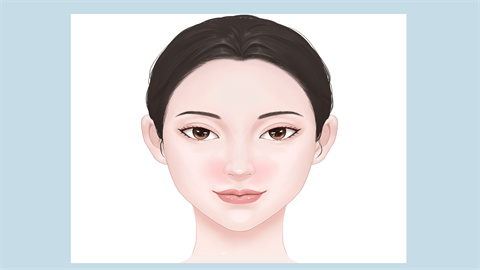
1. Skin redness and heat: During seasonal changes, significant fluctuations in temperature and humidity can easily irritate the sensitive skin barrier, causing blood vessels to dilate. This leads to widespread redness accompanied by a burning sensation. Symptoms tend to worsen in environments with frequent shifts between hot and cold temperatures and may persist for extended periods.
2. Dryness and flaking: Humidity levels drop during seasonal transitions, accelerating moisture loss from the skin. Sensitive skin has weaker water-retention ability, making it prone to dryness and tightness. In severe cases, fine flakes may appear on the skin surface, giving it a rough texture. A slight gritty or tacky feeling may occur when applying skincare products.
3. Itching and stinging: The amount of environmental irritants such as pollen and dust increases during seasonal changes. When sensitive skin comes into contact with these substances, it may trigger an immune response leading to itching, which can worsen if scratched. Some individuals may also experience brief stinging sensations when applying skincare products or coming into contact with water.
4. Flushing and rashes: After exposure to seasonal environmental stressors, small red rashes or patchy red areas may appear on regions such as the cheeks and forehead. These rashes typically do not have obvious raised bumps, but continued irritation may lead to mild swelling, affecting the skin's appearance.
5. Reduced tolerance: Skincare products that were previously well-tolerated may cause discomfort during seasonal changes—such as feelings of greasiness, clogged pores, or irritation. Additionally, the skin’s resistance to external stressors like UV radiation and wind decreases, making it more susceptible to skin issues even with minimal protection.
During seasonal transitions, it is recommended to reduce the frequency of skin cleansing and choose gentle, non-irritating cleansers. Enhance skin hydration by using moisturizing products containing ceramides and hyaluronic acid to help repair the skin barrier. Practice sun protection when outdoors and avoid prolonged exposure to harsh environments. If symptoms become severe, seek medical attention promptly and avoid self-treatment with irritating products.