


How to Determine if it is Breast Milk Jaundice
Jul 10, 2025
Source: Cainiu Health

Dr. Zhang Lu
Introduction
In general, to determine whether jaundice is breast milk-related, one can assess the onset time, duration, severity of jaundice, the infant's mental status, appetite, and weight. Breast milk jaundice typically begins on the third day after birth and lasts for a longer duration, potentially extending for several weeks or even months. During the period of breastfeeding, it is important to closely observe the infant's condition.
Generally, to determine whether jaundice is breast milk-related, one can make a judgment based on the onset time, duration, severity of jaundice, mental status, appetite, weight gain, and other aspects. A detailed analysis is as follows:
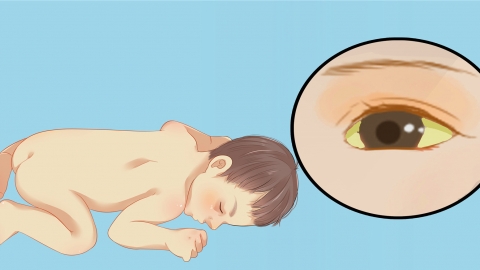
1. Onset Time: Breast milk jaundice typically appears on the third day after birth and lasts for a relatively long duration, possibly extending for several weeks or even months.
2. Duration: The peak of jaundice occurs between 4 to 7 days after birth and may last for 2 to 4 weeks or longer. In some cases, it may extend to 10 weeks. If jaundice appears within 24 hours after birth or lasts longer than one month, other pathological factors should be considered.
3. Severity of Jaundice: Breast milk jaundice usually presents with mild symptoms. The baby's skin and whites of the eyes appear yellow, but the overall health condition of the baby remains good, without other obvious discomfort symptoms.
4. Mental Status: Infants usually remain alert and show no signs of fever, vomiting, diarrhea, or other abnormalities. Immediate medical attention is required if the infant displays neurological symptoms such as excessive sleepiness, weak sucking, or reduced muscle tone.
5. Appetite and Weight: The infant's appetite is usually normal or slightly decreased, but weight gain remains steady. If there is a significant decrease in appetite or slow weight gain, other factors should be considered.
During the period of breastfeeding, it is important to monitor the infant's condition, ensure adequate feeding, and avoid introducing solid foods too early.






