


Blood glucose 17 mmol/L, how many units of insulin to administer
Jul 14, 2025
Source: Cainiu Health

Dr. Liu Feng
Introduction
If insulin resistance, overweight, or coexisting chronic diseases are present, the body's sensitivity to insulin is lower, requiring more insulin to counteract the tendency of elevated blood glucose levels. In such cases, the injected dose may be higher, approximately 8 to 12 units, and continuous monitoring of blood glucose changes is necessary to gradually adjust the dose to an appropriate level. If the hyperglycemia is newly developed, the patient has normal weight, and there is no significant insulin resistance,
Under normal circumstances, when blood glucose reaches 17 mmol/L, the insulin injection dose needs to be adjusted according to individual conditions, usually ranging between 6 to 12 units. If there are any concerns, it is recommended to seek medical advice in advance. Detailed analysis is as follows:
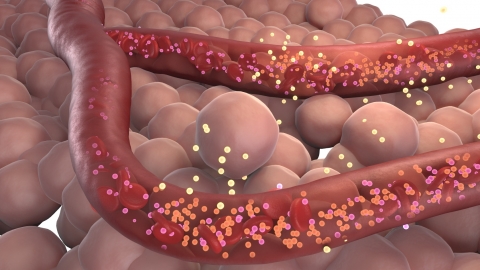
If insulin resistance, overweight, or coexisting chronic diseases are present, the body's sensitivity to insulin may be lower, requiring more insulin to counteract elevated blood glucose levels. In such cases, the injection dose might be higher, approximately 8 to 12 units, and continuous monitoring of blood glucose changes is necessary to gradually adjust to the appropriate dose.
If the hyperglycemia is newly developed, body weight is normal, and there is no significant insulin resistance, the body's response to insulin is likely better, requiring a relatively smaller dose. Around 6 to 8 units might be sufficient to lower blood glucose within a certain time frame, with a more noticeable hypoglycemic effect.
Besides dosage, injection timing and dietary management also influence the blood sugar-lowering effect. It is essential to determine the dose under a doctor's guidance, monitor blood glucose regularly after injection, and promptly address any adverse reactions such as dizziness or palpitations.



