


How to treat insulin resistance
Jul 21, 2025
Source: Cainiu Health

Dr. Yang Chuanjia
Introduction
Under normal circumstances, insulin resistance may be caused by factors such as lack of physical activity, improper diet, obesity, polycystic ovary syndrome (PCOS), type 2 diabetes, and others. Patients can visit a reputable hospital to choose methods such as general treatment or medication to improve their condition. In daily life, it is important to maintain a regular sleep-wake schedule and avoid staying up late; quit smoking, limit alcohol consumption, and reduce adverse effects on metabolic health.
Generally, insulin resistance may be caused by lack of exercise, improper diet, obesity, polycystic ovary syndrome (PCOS), type 2 diabetes, and other factors. Patients can visit a reputable hospital to choose general treatments or medication therapy to improve their condition. A detailed analysis is as follows:
1. Lack of Exercise
Long-term sedentary lifestyle and insufficient physical activity can reduce muscle glucose uptake and utilization, decreasing the body's sensitivity to insulin and triggering insulin resistance. It is recommended to engage in at least 150 minutes of moderate-intensity exercise weekly, such as brisk walking, cycling, or swimming, with each session lasting about 30 minutes. Exercise should be done gradually to avoid excessive fatigue.
2. Improper Diet
Long-term consumption of high-sugar and high-fat foods can lead to fat accumulation in the body, affecting insulin signal transmission and reducing insulin efficiency. Adjust your diet by reducing intake of high-sugar and high-fat foods like cakes and fried foods, and increase consumption of vegetables, whole grains, lean meats, and other foods rich in dietary fiber and high-quality protein. Control total daily caloric intake, eat smaller meals more frequently, and avoid overeating.
3. Obesity
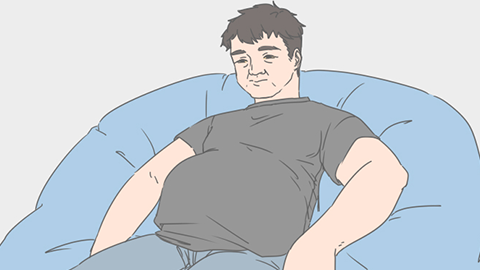
Excessive body fat, especially abdominal fat accumulation, can release inflammatory factors that interfere with insulin's function of regulating blood sugar, leading to insulin resistance. On the basis of dietary control, combine exercise to lose weight and maintain body mass index (BMI) within the normal range. If necessary, orlistat capsules can be used under a doctor's guidance to assist with weight loss, while regularly monitoring changes in weight.
When women develop PCOS, hormonal imbalances occur in the body. Elevated androgen levels can inhibit insulin sensitivity, causing insulin resistance, often accompanied by menstrual irregularities. Under a doctor's guidance, medications such as metformin tablets, pioglitazone tablets, and ethinylestradiol cyproterone acetate tablets may be used for treatment. At the same time, maintain a regular sleep schedule, avoid staying up late, and reduce mental stress.
5. Type 2 Diabetes
Prolonged poor blood sugar control can damage pancreatic function, reducing the body's responsiveness to insulin, worsening insulin resistance, and possibly accompanied by symptoms such as thirst and frequent urination. Under a doctor's guidance, medications such as metformin hydrochloride sustained-release tablets, empagliflozin tablets, and glimepiride tablets may be used for treatment. Strictly control blood sugar levels, regularly monitor blood glucose, and adjust treatment plans according to blood sugar fluctuations.
In daily life, maintain a regular sleep schedule and avoid staying up late; quit smoking and limit alcohol consumption to reduce adverse effects on body metabolism; undergo regular physical examinations to detect and address abnormalities promptly.




