What are anti-inflammatory and pro-inflammatory foods?
Jul 15, 2025
Source: Cainiu Health

Dr. Yang Ziqi
Introduction
Under normal circumstances, both anti-inflammatory and pro-inflammatory foods are commonly found in daily diets. Anti-inflammatory foods help reduce inflammatory responses in the body, while pro-inflammatory foods may exacerbate inflammation. Common anti-inflammatory foods include broccoli, walnuts, ginger, strawberries, and whole grains, whereas pro-inflammatory foods include fried foods, high-sodium foods, red meat, foods containing trans fats, and alcohol.
Generally speaking, anti-inflammatory and pro-inflammatory foods are commonly found in daily diets. Anti-inflammatory foods help reduce inflammation in the body, while pro-inflammatory foods may exacerbate inflammation. Common anti-inflammatory foods include broccoli, walnuts, ginger, strawberries, and whole grains, whereas pro-inflammatory foods include fried foods, high-salt foods, red meat, foods containing trans fatty acids, and alcohol. The detailed analysis is as follows:
I. Anti-inflammatory Foods
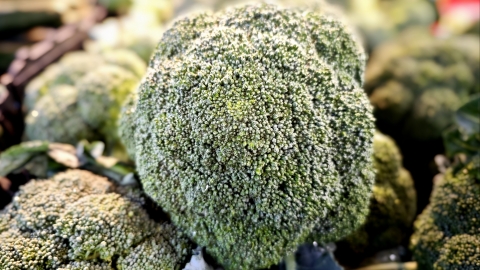
1. Broccoli: Broccoli is rich in vitamin C, carotenoids, and sulforaphane, which have strong antioxidant properties. These components can inhibit the activity of inflammatory factors and reduce chronic inflammation in the body. It can be stir-fried or steamed and then served cold.
2. Walnuts: Walnuts are abundant in omega-3 fatty acids and vitamin E, which can regulate inflammatory responses and lower levels of inflammation-related substances. Eating an appropriate amount daily can aid in reducing inflammation and is suitable for direct consumption or adding to salads.
3. Ginger: Ginger contains gingerol, which has anti-inflammatory properties. It can inhibit the activity of cyclooxygenase and reduce the production of inflammatory mediators. Ginger slices can be added during cooking, or ginger tea can be brewed for a mild anti-inflammatory effect.
4. Strawberries: Strawberries are rich in anthocyanins and vitamin C, offering strong antioxidant capabilities. They help eliminate free radicals in the body and reduce inflammation caused by oxidative stress. They can be eaten directly or made into jam to preserve their nutritional content.
5. Whole Grains: Examples include oats, brown rice, and quinoa. These contain dietary fiber and B vitamins, which can regulate gut microbiota and reduce the production of inflammatory substances. They can be used as staple foods to replace some refined grains, promoting intestinal health.
II. Pro-inflammatory Foods
1. Fried Foods: Such as fried chicken, French fries, and doughnuts. High-temperature frying produces trans fatty acids and acrylamide, which can trigger inflammatory responses in the body. Long-term consumption can worsen inflammation.
2. High-salt Foods: Such as pickled vegetables, cured meats, and preserved vegetables. Excessive salt intake can cause fluid retention in the body, irritating vascular endothelial cells and triggering inflammation. It may also increase the risk of hypertension, so intake should be controlled.
3. Red Meat: Such as beef, lamb, and pork. Overconsumption of saturated fatty acids in red meat can promote the synthesis of inflammatory mediators and elevate inflammation levels in the body. It is recommended to consume it with vegetables and control portion sizes.
4. Foods Containing Trans Fatty Acids: Such as non-dairy creamer, margarine, and certain pastries. Trans fatty acids can interfere with the body's inflammatory regulation mechanisms and increase the risk of chronic inflammation. Consumption should be reduced.
5. Alcohol: Excessive alcohol consumption can damage gastrointestinal mucosa and liver cells, triggering local inflammatory responses. It can also weaken immune system function, indirectly exacerbating systemic inflammation. Binge drinking should be avoided in daily life.
In daily life, a reasonable combination of anti-inflammatory foods and reduced frequency and quantity of pro-inflammatory food intake, along with maintaining regular作息 (sleep-wake cycles), can help maintain the body's inflammatory balance and promote overall well-being.