What causes leg cramps in the calves during sleep at night?
Jul 17, 2025
Source: Cainiu Health

Dr. Wang Lei
Introduction
In general, leg cramps at night may be caused by improper sleeping posture, exposure to cold during sleep, vitamin D deficiency, varicose veins in the lower limbs, uremia, or other factors. If discomfort occurs, prompt medical attention is recommended. In daily life, it is important to maintain a regular sleep schedule and avoid excessive fatigue. Before bedtime, soaking feet in warm water may help promote blood circulation in the lower limbs.
Generally, leg cramps at night may be caused by improper sleeping posture, cold exposure during the night, vitamin D deficiency, lower limb varicose veins, uremia, and other reasons. If discomfort occurs, it is recommended to seek medical attention promptly. Detailed explanations are as follows:
1. Improper Sleeping Posture
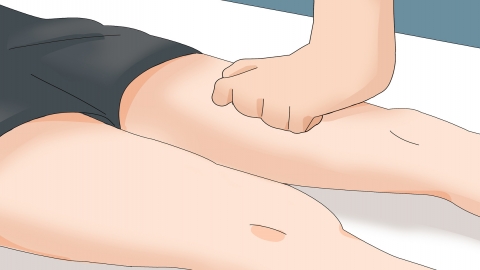
If you maintain a supine or prone position for a long time while sleeping at night, the calf muscles may be continuously compressed, affecting local blood circulation, leading to muscle hypoxia and accumulation of metabolic products, which can cause cramps. Try to choose a lateral sleeping position and avoid crossing or curling both legs for extended periods. If cramps occur in the middle of the night, immediately change your sleeping posture and gently massage the calf muscles to relieve the spasm.
2. Cold Exposure at Night
If the legs are not kept warm adequately during sleep, the calf muscles may contract due to cold stimulation, causing cramps. This is especially common during autumn and winter or when the air conditioner temperature is too low. Before sleeping, check whether the quilt can fully cover your legs to avoid exposing them to cold environments. If the indoor temperature is low, you can add a light blanket over your legs or wear loose cotton pajama pants to keep your legs warm.
3. Vitamin D Deficiency
Vitamin D deficiency can affect calcium absorption in the intestines, leading to reduced blood calcium levels and increased muscle excitability, causing leg cramps during sleep. This may be accompanied by symptoms such as restless sleep and excessive sweating. You can eat more foods rich in vitamin D, such as deep-sea fish and egg yolks, in your daily diet. If the deficiency is significant, you may take vitamin D supplements under a doctor's guidance, such as vitamin D drops, vitamin AD soft capsules, or calcitriol capsules. Additionally, engage in appropriate outdoor activities and get adequate sun exposure to promote vitamin D synthesis.
Varicose veins in the lower limbs can obstruct venous blood return. During nighttime rest, blood may pool significantly in the calf muscles, easily causing muscle spasms and cramps. Symptoms may include leg soreness and visible veins. During the day, wear medical compression stockings as directed by a physician to promote venous blood return. Avoid prolonged standing or sitting, and elevate your legs appropriately when resting. If cramps occur frequently, follow your doctor's instructions to take venous active drugs such as Venoruton tablets, Diosmin tablets, or Hesperidin tablets to improve vein wall function.
5. Uremia
In patients with uremia, severe kidney damage prevents the normal excretion of metabolic waste from the body, which affects electrolyte balance, leading to reduced blood calcium levels and elevated blood potassium levels, which can cause leg cramps. The cramps may be frequent and severe. Dialysis treatment should be conducted under a doctor's guidance, and calcium supplements such as calcium carbonate D3 tablets or calcium gluconate tablets should be taken according to the results of electrolyte tests. If blood potassium levels are elevated, potassium-lowering medications such as calcium polystyrene sulfonate powder may be used. Daily attention should be paid to controlling fluid and salt intake to avoid increasing the burden on the kidneys.
In daily life, maintain a regular routine and avoid excessive fatigue. Soaking your feet in warm water before bedtime can promote blood circulation in the lower limbs. Ensure a nutritionally balanced diet and appropriately increase the intake of foods rich in calcium and magnesium.