


What causes jaundice in children?
Jul 17, 2025
Source: Cainiu Health

Dr. Zhou Xiaofeng
Introduction
In general, infant jaundice may be caused by neonatal physiological factors, breast milk-related factors, neonatal ABO hemolytic disease, neonatal sepsis, congenital biliary atresia, and other factors. It is recommended to seek timely medical attention, identify the underlying cause, and receive symptomatic treatment under a doctor's guidance. Parents should closely monitor changes in the infant's jaundice and record the extent and severity of skin yellowing.
Generally, infant jaundice may be caused by factors such as neonatal physiological jaundice, breast milk-related factors, neonatal ABO hemolytic disease, neonatal sepsis, or congenital biliary atresia. It is recommended to seek timely medical consultation to determine the underlying cause and proceed with appropriate treatment under a doctor's guidance. Detailed explanations are as follows:
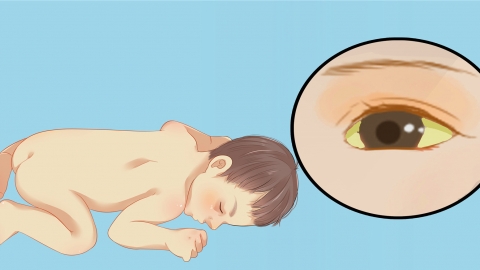
1. Neonatal Physiological Factors: Neonatal red blood cells have a short lifespan, and the liver's metabolic function is immature, resulting in excessive bilirubin production and slow metabolism, which causes jaundice. This typically appears 2-3 days after birth and subsides within 7-14 days. Enhancing feeding to encourage more milk intake and frequent bowel movements helps promote bilirubin excretion, and no special treatment is required.
2. Breast Milk-related Factors: Certain components in breast milk may inhibit bilirubin metabolism, causing jaundice to persist for several weeks or even months. The baby usually feeds well and gains weight normally. Under a doctor's guidance, breastfeeding may be temporarily stopped for 1-2 days. Once jaundice improves, breastfeeding can resume. During this time, a breast pump should be used to express milk to prevent lactation regression.
3. Neonatal ABO Hemolytic Disease: Maternal-fetal ABO blood type incompatibility causes maternal antibodies to attack the newborn's red blood cells, leading to a sudden rise in bilirubin levels and jaundice appearing within 24 hours after birth. Affected infants may follow medical advice to receive medications such as human albumin injection, intravenous immunoglobulin for infants, and phenobarbital sodium injection, along with blue light phototherapy to reduce bilirubin levels.
4. Neonatal Sepsis: Bacterial infection entering the bloodstream causes systemic inflammation and damages liver cells, resulting in jaundice, accompanied by fever, poor responsiveness, and reduced milk intake. Infants may follow medical advice to receive anti-infective medications such as ceftriaxone sodium for injection, penicillin sodium for injection, and ampicillin sodium for injection, along with phototherapy to reduce jaundice and ensure adequate nutritional support.
5. Congenital Biliary Atresia: Abnormal bile duct development obstructs bile excretion, causing bilirubin to flow back into the bloodstream, progressively worsening jaundice with clay-colored stools. A hepatic portoenterostomy should be performed within 2 months of birth to reconstruct the bile duct pathway. Long-term postoperative medication, including ursodeoxycholic acid capsules, compound glycyrrhizin tablets, and silymarin capsules, is required to protect liver function.
Parents should closely monitor changes in the infant's jaundice and document the extent and severity of skin yellowing. If jaundice appears early, persists longer than expected, or worsens, prompt medical attention is necessary to avoid liver damage.



