


How high does jaundice need to be before a child becomes lethargic?
Jul 08, 2025
Source: Cainiu Health

Dr. Zhou Xiaofeng
Introduction
Newborns with younger postnatal age or underlying conditions such as prematurity may have an immature or weakened blood-brain barrier. When bilirubin levels reach approximately 20 μmol/L, bilirubin can easily enter the central nervous system, affecting neurological function and potentially causing symptoms such as lethargy in the infant. In older infants with better general health, lethargy may occur when bilirubin levels reach around 30 μmol/L.
Generally, infants with a younger postnatal age or underlying conditions may become lethargic when bilirubin levels reach approximately 20 μmol/L, while older infants without underlying health issues may not show signs of lethargy until bilirubin levels reach around 30 μmol/L. If any abnormalities occur, timely medical consultation is recommended. Detailed explanation is as follows:
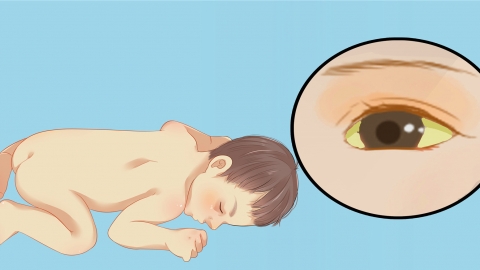
Newborns with a younger postnatal age or those with underlying conditions such as prematurity, infection, or hemolysis often have an underdeveloped or weakened blood-brain barrier. When bilirubin levels reach about 20 μmol/L, bilirubin can easily enter the central nervous system, affecting neurological function and potentially causing lethargy in the infant.
In contrast, older infants with better overall health have a gradually maturing blood-brain barrier, which provides increased protection against bilirubin. Bilirubin levels must reach approximately 30 μmol/L before a significant amount can cross the blood-brain barrier, potentially disrupting normal nervous system function and causing signs of lethargy.
Close monitoring of the infant's mental status is necessary during the period of jaundice. If lethargy occurs, immediate medical attention should be sought to assess the risk based on postnatal age and overall health condition, and prompt intervention measures should be taken.




