


What causes high bilirubin levels (jaundice)?
Jul 17, 2025
Source: Cainiu Health

Dr. Gao Jun
Introduction
In general, high bilirubin levels (jaundice) may be caused by factors such as neonatal physiological jaundice, dietary influences, viral hepatitis, biliary obstruction, or hemolytic anemia. It is recommended to seek timely medical attention, identify the underlying cause, and undergo symptomatic treatment under a physician's guidance. In daily life, maintain a regular作息 (作息 translates to作息 schedule or routine), avoid alcohol consumption and medications harmful to the liver, and undergo regular liver function tests.
Generally, high jaundice levels may be caused by neonatal physiological jaundice, dietary factors, viral hepatitis, biliary obstruction, hemolytic anemia, and other factors. It is recommended to seek timely medical consultation to determine the exact cause and receive symptomatic treatment under a doctor's guidance. Detailed analysis is as follows:
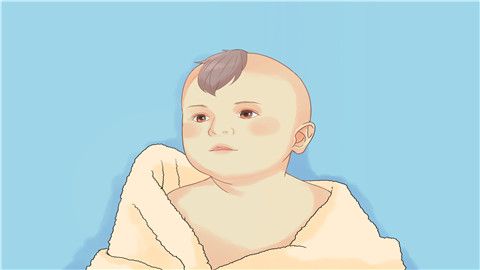
1. Neonatal Physiological Jaundice: A newborn's liver function is not yet mature, and the ability to metabolize bilirubin is weak. Jaundice typically appears 2-3 days after birth and subsides within 7-10 days, which is considered a normal physiological process. Enhancing feeding, promoting neonatal bowel movements to assist bilirubin excretion, and closely monitoring jaundice changes are recommended. No special treatment is required.
2. Dietary Factors: Consuming large amounts of carotene-rich foods, such as carrots and pumpkin, in a short period can cause yellowing of the skin resembling jaundice; however, the sclera remains unaffected. Reducing intake of such foods, increasing water consumption, and maintaining a balanced diet can alleviate the yellowing of the skin within a few days.
3. Viral Hepatitis: For example, hepatitis A. Viral infection damages liver cells, leading to abnormal bilirubin metabolism and elevated jaundice levels, accompanied by fatigue, loss of appetite, and liver area pain. Patients may take medications such as reduced glutathione tablets, compound glycyrrhizin tablets, and silymarin capsules as prescribed by a physician for liver protection. Additionally, adequate rest, avoiding fatigue, and maintaining a bland diet are advised.
4. Biliary Obstruction: Gallstones, bile duct narrowing, and other conditions can obstruct bile excretion, causing bilirubin to flow back into the bloodstream, resulting in elevated jaundice levels, accompanied by skin itching, darkened urine, and lighter-colored stools. Patients may take medications such as ursodeoxycholic acid capsules and ademetionine enteric-coated tablets as directed by a physician to alleviate symptoms. For obstruction caused by stones, laparoscopic cholecystectomy or bile duct incision for stone removal may be necessary to relieve the obstruction and restore bile excretion.
5. Hemolytic Anemia: Massive destruction of red blood cells releases excessive bilirubin, exceeding the liver's metabolic capacity, leading to elevated jaundice levels, accompanied by pale complexion, dizziness, and fatigue. Patients may take medications such as folic acid tablets, vitamin E soft gels, and prednisolone tablets as directed by a physician. In severe cases, splenectomy may be required to reduce red blood cell destruction and alleviate hemolytic symptoms.
Routine daily habits should include maintaining a regular sleep schedule, avoiding alcohol consumption and hepatotoxic drugs, and undergoing regular liver function tests. By actively treating the underlying disease, controlling jaundice levels, and maintaining the health of the liver and hematologic system, optimal outcomes can be achieved.



