


What are the common causes of renal hypoechoic areas?
Jul 18, 2025
Source: Cainiu Health

Dr. Yang Guang
Introduction
In general cases, renal hypoechoic areas are usually caused by factors such as renal column hypertrophy, mild hydronephrosis due to excessive urine retention, acute pyelonephritis, renal cysts, and renal abscesses. It is recommended to seek timely medical attention, identify the underlying cause, and undergo symptomatic treatment under the guidance of a physician. In daily life, maintaining a regular作息 (作息 should be translated as "routine" or "daily routine"), avoiding excessive fatigue, drinking plenty of water, and promoting kidney metabolism are advised.
Generally, renal hypoechoic areas are usually caused by factors such as renal column hypertrophy, mild hydronephrosis due to excessive urine retention, acute pyelonephritis, renal cysts, and renal abscesses. It is recommended to seek timely medical attention, identify the underlying cause, and undergo symptomatic treatment under a doctor's guidance. Detailed analysis is as follows:
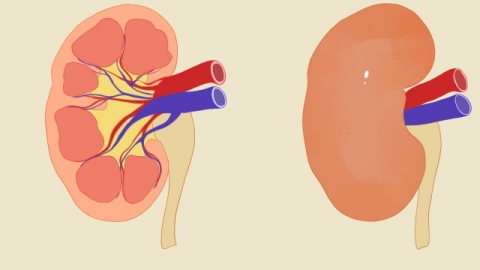
1. Renal Column Hypertrophy: The renal column is a normal part of kidney anatomy. In some individuals, the renal column is congenitally enlarged and appears hypoechoic on ultrasound. This is considered a normal physiological variant, typically without noticeable symptoms or impaired kidney function. No specific treatment is required; regular kidney ultrasound follow-ups are recommended to monitor changes in size and morphology, as it does not affect kidney function.
2. Mild Hydronephrosis Due to Excessive Urine Retention: Excessive urine retention can temporarily cause urine accumulation in the renal pelvis, resulting in mild hydronephrosis and a hypoechoic appearance on ultrasound. The renal pelvis typically returns to its normal shape after urination, without other discomfort. Avoid excessive urine retention. Drink an appropriate amount of water before ultrasound examinations and proceed when you feel the urge to urinate, rather than waiting until discomfort occurs, to reduce the likelihood of pelvic dilation.
3. Acute Pyelonephritis: Bacterial infection causes inflammation of the renal pelvis and renal parenchyma. Early signs include renal parenchymal congestion and edema, which appear hypoechoic on ultrasound. Symptoms may include fever, back pain, frequent and urgent urination. Urinalysis often shows elevated white blood cells. Patients should rest in bed, drink plenty of water to promote urination, and take antibiotics such as cefuroxime axetil tablets, levofloxacin hydrochloride tablets, or amoxicillin capsules as prescribed to control the infection. After inflammation is controlled, the renal hypoechoic appearance on ultrasound may gradually return to normal.
4. Renal Cysts: Cystic lesions develop within the renal parenchyma, filled with fluid. These appear hypoechoic or anechoic on ultrasound. Small cysts are usually asymptomatic, while larger cysts may compress surrounding tissues, causing dull back pain. Most are benign. Small cysts require only regular follow-up, while larger cysts may be treated with ultrasound-guided cyst aspiration or laparoscopic cyst decortication as directed by a physician to remove the fluid and prevent recurrence.
5. Renal Abscess: A purulent infection in the kidney forms an abscess cavity, which appears as a hypoechoic area on ultrasound. Symptoms include severe back pain, high fever, chills, and elevated white blood cell counts on complete blood count. Larger abscesses may compress renal tissue. Immediate hospitalization is necessary. Intravenous administration of potent antibiotics such as cefoperazone sodium and sulbactam sodium for injection or metronidazole injection should be followed as prescribed. Once the abscess matures, percutaneous drainage should be performed to remove the pus. In some cases, surgical incision and drainage may be required to completely clear the pus and promote healing.
In daily life, maintaining a regular routine, avoiding excessive fatigue, drinking plenty of water to enhance kidney metabolism, and reducing the risk of kidney infections are recommended. Regular health check-ups are especially important for those with a family history of kidney disease, to detect and address kidney abnormalities early. Avoiding the misuse of nephrotoxic drugs is essential to protect kidney function.


