


Why can crying cause cerebral vasospasm?
Jul 19, 2025
Source: Cainiu Health

Dr. Tian Hongbo
Introduction
Under normal circumstances, crying may lead to cerebral vasospasm, which could be caused by emotional stress, irregular breathing patterns, abnormal neurovascular regulation, migraine induction, blood pressure fluctuations, or other similar factors. If you experience any discomfort, it is recommended to seek medical attention promptly. In daily life, learn to manage emotions effectively and avoid excessive crying. Maintain a regular作息 (routine/lifestyle) and reduce factors that may trigger emotional fluctuations.
Generally, crying may lead to cerebral vasospasm due to emotional stress, irregular breathing rhythm, abnormal vascular nerve regulation, migraine induction, blood pressure fluctuations, and other factors. If discomfort occurs, timely medical attention is recommended. Detailed analysis is as follows:
1. Emotional Stress
Intense emotional fluctuations during crying activate the sympathetic nervous system, increasing secretion of hormones such as catecholamines, which stimulate cerebral vasoconstriction and cause spasms. Immediately stop crying, divert attention—for example, by listening to calming music or practicing deep breathing relaxation. Rest in a quiet environment and avoid further emotional excitement.
2. Irregular Breathing Rhythm
Over-ventilation or rapid breathing during crying can lead to excessive carbon dioxide exhalation, altering blood pH levels and stimulating cerebral vasoconstriction and spasms, possibly accompanied by dizziness. Adjust breathing rhythm using diaphragmatic breathing: inhale slowly through the nose for 4 seconds, exhale through the mouth for 6 seconds, and repeat several times.
3. Abnormal Vascular Nerve Regulation
Long-term or intense crying may disrupt the balance of cerebral vascular nerve regulation, causing dysfunction in vascular dilation and constriction, which can lead to spasms and often involves mild headaches. Alleviate symptoms through head massage, gently pressing the temples and Baihui acupoint with fingertips. If necessary, medications such as Nimodipine tablets, Flunarizine capsules, or Betahistine tablets may be used under a physician's guidance to regulate vascular function.
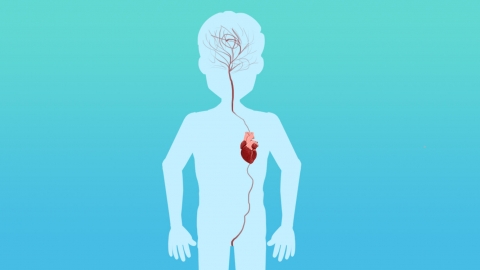
4. Migraine Induction
Individuals with a history of migraines may experience an attack triggered by crying, accompanied by cerebral vasospasm, manifesting as unilateral headache and photophobia. Pain can be relieved with medications such as ibuprofen sustained-release capsules, acetaminophen tablets, or zolmitriptan tablets, under a physician's guidance.
5. Blood Pressure Fluctuations
Crying can cause a temporary rise in blood pressure, exerting pressure on cerebral vessels and inducing spasms, possibly accompanied by a feeling of head distension. Monitor blood pressure promptly; if it remains elevated after emotional stabilization, medications such as Nifedipine tablets, Captopril tablets, or Valsartan tablets may be used under medical supervision to control blood pressure.
In daily life, learn emotional management techniques to avoid excessive crying. Maintain regular sleep patterns and reduce triggers for emotional fluctuations. If persistent headaches, vomiting, or other symptoms occur, seek immediate medical attention.




