


How much neonatal jaundice requires blue light therapy?
Jul 21, 2025
Source: Cainiu Health

Dr. Zhou Xiaofeng
Introduction
Under normal circumstances, if the bilirubin level of a full-term infant exceeds 6 mg/dL within 24 hours, 9 mg/dL within 48 hours, or 12.9 mg/dL at 72 hours or later; or if the bilirubin level of a premature infant exceeds 5 mg/dL within 24 hours, 8 mg/dL within 48 hours, or 12 mg/dL at 72 hours or later, phototherapy (blue light treatment) may be required.
Generally, if the bilirubin level in full-term infants exceeds 6 mg/dl within 24 hours, 9 mg/dl within 48 hours, or 12.9 mg/dl at 72 hours or later; or if it exceeds 5 mg/dl within 24 hours, 8 mg/dl within 48 hours, or 12 mg/dl at 72 hours or later in preterm infants, phototherapy may be required. If any abnormalities are noticed, timely medical consultation is recommended. Detailed analysis is as follows:
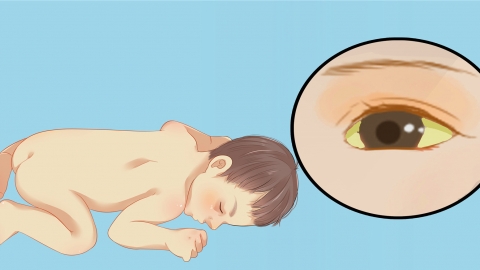
The threshold values for full-term infants are based on their liver metabolic capacity. A bilirubin level exceeding 6 mg/dl within 24 hours indicates early and rapid onset of jaundice; exceeding 9 mg/dl within 48 hours suggests accelerated bilirubin metabolism; and surpassing 12.9 mg/dl at 72 hours or later indicates possible overload of the liver's processing capacity. At this point, phototherapy can prevent further bilirubin elevation and potential nerve damage.
Preterm infants have weaker liver function, so the threshold values are lower. When bilirubin exceeds 5 mg/dl within 24 hours, 8 mg/dl within 48 hours, or 12 mg/dl at 72 hours or later, bilirubin levels may easily breach the safe range. Early phototherapy can reduce the risk of kernicterus and protect the development of the nervous system.
Determination of whether phototherapy is needed should be based on the newborn's specific condition. Parents should cooperate with medical professionals in monitoring and strictly follow professional recommendations rather than making decisions solely based on bilirubin values.


