


Can apple juice combat free radicals?
Jul 24, 2025
Source: Cainiu Health

Dr. Yu Yongchao
Introduction
Under normal circumstances, apple juice may have a certain auxiliary effect in fighting free radicals, but its effectiveness is limited. It is important to consume it in moderation. In daily life, one should properly control the intake of apple juice and combine it with antioxidant-rich foods such as blueberries, grapes, and nuts. Maintaining a balanced diet and moderate exercise can better assist the body in combating free radicals and preserving cellular health.
Generally, apple juice may have a certain auxiliary effect in fighting free radicals, but its effectiveness is limited. Consumption should be moderate. Detailed analysis is as follows:
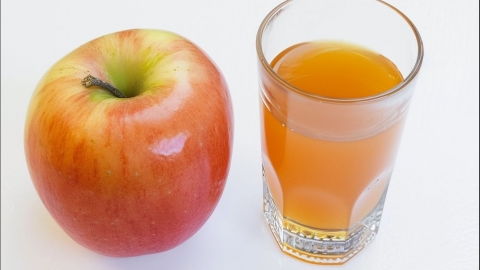
Apple juice is made from fresh apples and contains antioxidant components such as vitamin C, vitamin E, and polyphenols. These components work together to provide some help in fighting free radicals. However, some antioxidant components may be lost during the juicing process, and its effect against free radicals is relatively mild, insufficient to completely prevent the impact of free radicals on the body.
Excessive consumption of apple juice may increase the body's metabolic burden due to excessive sugar intake and could also irritate the gastrointestinal tract, causing discomfort such as abdominal distension and diarrhea. Additionally, excessive drinking may lead to excessive fructose intake, which could affect the body's antioxidant balance and indirectly weaken the ability to combat free radicals.
In daily life, it is important to control the consumption of apple juice reasonably, while combining it with antioxidant-rich foods such as blueberries, grapes, and nuts. Maintaining a balanced diet and moderate exercise can better assist the body in fighting free radicals and maintaining cellular health.






