


Is there a need to pay attention to diet when combining Rehmannia glutinosa (Shu Di Huang), Astragalus complanatus (Sha Yuan Zi), and Paeonia lactiflora (Bai Shao)?
Jul 25, 2025
Source: Cainiu Health

Dr. Sun Lianqing
Introduction
Under normal circumstances, when taking herbal medicines containing Rehmannia glutinosa (Shu Di Huang), Astragalus complanatus (Sha Yuan Zi), and Paeonia lactiflora (Bai Shao), there is generally no need for concern if a light diet is maintained and raw, cold, or greasy foods are avoided. However, excessive consumption of spicy, irritating, or hard-to-digest foods may affect the drug's effectiveness and should be noted. If in doubt, it is recommended to consult a healthcare professional in advance. During the course of treatment, meals should primarily consist of warm, easily digestible foods, supplemented with vegetables and whole grains.
Under normal circumstances, when taking herbal medicines containing Rehmannia glutinosa (Sh熟地黄), Astragalus complanatus (Sh沙苑子), and Paeonia lactiflora (B白芍), there is generally no need for concern if the diet is light and avoids raw, cold, or greasy foods. However, consuming excessive spicy, stimulating, or hard-to-digest foods may affect the efficacy of the medication. If in doubt, it is recommended to consult a healthcare professional in advance. Detailed explanation is as follows:
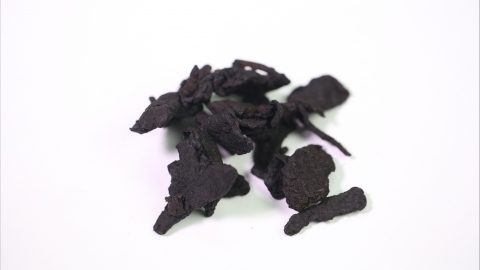
Diet during medication should primarily consist of warm, easily digestible foods, combined with vegetables and coarse grains. Avoid excessive intake of chili peppers, alcoholic beverages, etc., so that the medicinal components can be better absorbed and exert their therapeutic effects. At this time, the body's condition can work in synergy with the drug effects to help alleviate discomfort.
If fried foods, chilled beverages, or excessive sweet and greasy foods are consumed frequently while taking the medication, they may increase the burden on the gastrointestinal system and affect the efficiency of drug absorption. These dietary habits may conflict with the nourishing properties of the herbs, reduce the therapeutic effect, and even cause discomfort such as abdominal distension.
Attention should be paid to dietary combinations during Chinese herbal medicine treatment. If symptoms such as reduced appetite or stomach discomfort occur, the physician should be informed promptly to adjust the diet or medication plan and ensure a smooth recovery process.


