


Can people with dampness in their body eat lotus seeds?
Aug 11, 2025
Source: Cainiu Health

Dr. Sun Lianqing
Introduction
Under normal circumstances, individuals with dampness can consume lotus seeds, but should pay attention to the quantity and cooking method. In daily life, in addition to consuming lotus seeds in moderation, individuals with dampness can also combine them with other ingredients that help remove dampness and strengthen the spleen, such as coix seed (Job's tears) and Chinese yam (shan yao), to enhance the regulating effects. At the same time, it is important to maintain a light diet and avoid raw, cold, and greasy foods.
Generally speaking, people with dampness in the body can eat lotus seeds, but attention should be paid to the quantity consumed and the cooking method. Detailed explanation is as follows:
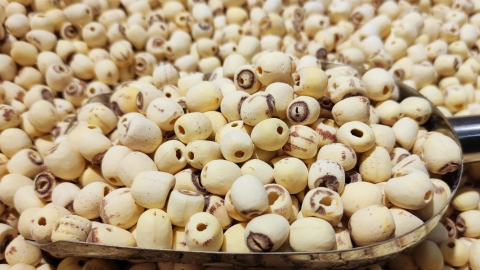
Lotus seed is a food with both medicinal and dietary uses. Traditional Chinese Medicine (TCM) believes it has effects of strengthening the spleen, benefiting the kidneys, and calming the mind. Its nature is relatively neutral and won't exacerbate dampness in the body. For people with dampness, moderate consumption of lotus seeds can help strengthen the spleen, and improved spleen and stomach function aids in the transformation and transportation of bodily fluids, thereby assisting in reducing dampness. However, excessive consumption of lotus seeds may burden the gastrointestinal system and cause discomfort such as abdominal bloating.
Regarding the method of consumption, people with dampness are advised to choose seedless lotus seeds to cook porridge or make soup, and avoid eating them raw. Lotus seed embryos (germs) have a bitter taste and cold nature; excessive consumption may irritate the stomach and spleen, affecting their transformation and transportation functions, which could hinder the elimination of dampness instead.
In daily life, in addition to consuming lotus seeds in moderation, people with dampness can also combine other ingredients that help remove dampness and strengthen the spleen, such as coix seed and Chinese yam, to enhance the overall effect. Additionally, maintaining a light diet, reducing consumption of raw, cold, and greasy foods, and engaging in appropriate physical exercise to promote metabolism and help eliminate dampness from the body are also recommended.


