


What causes adenomyosis?
Aug 26, 2025
Source: Cainiu Health

Dr. Zhang Lu
Introduction
In general, adenomyosis may be caused by hormonal fluctuations during the reproductive years, frequent uterine cavity procedures, endometritis, damage to the uterine muscle layer, uterine malformations, and other factors. It is recommended to seek timely medical attention, identify the underlying cause, and then improve the condition under a doctor's guidance through general treatment, medication, surgical treatment, and other approaches. In daily life, it is important to keep the abdomen warm during menstruation and avoid cold exposure.
Generally, adenomyosis may be caused by hormonal fluctuations during the reproductive years, frequent uterine cavity procedures, endometritis, injury to the uterine muscle layer, or uterine malformations. It is recommended to seek timely medical attention, identify the underlying cause, and then improve the condition under a doctor's guidance through general treatment, medication, surgical treatment, and other approaches. A detailed analysis is as follows:
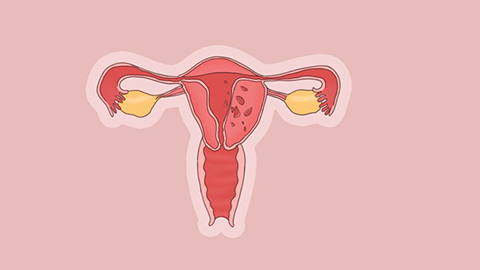
1. Hormonal fluctuations during the reproductive years: In women of reproductive age, frequent changes in estrogen and progesterone levels can lead to hormonal imbalances, which may stimulate the endometrium to grow into the uterine muscle layer, causing adenomyosis. This is often accompanied by dysmenorrhea and increased menstrual flow. Maintain a regular sleep schedule, avoid staying up late, and reduce intake of spicy and high-sugar foods.
2. Frequent uterine cavity procedures: Repeated uterine cavity procedures such as induced abortions and curettage can damage the basal layer of the endometrium, making it easier for endometrial tissue to invade the uterine muscle layer and increasing the risk of adenomyosis. Reduce unnecessary uterine cavity procedures and practice effective contraception to avoid repeated trauma to the uterine cavity.
3. Endometritis: Infection of the endometrium by pathogens causes inflammation, and the inflammatory stimulation can damage the endometrial barrier, promoting infiltration of endometrial tissue into the muscle layer, which may trigger adenomyosis and is often accompanied by lower abdominal pressure and abnormal vaginal discharge. Patients should follow medical advice to use medications such as cefixime dispersible tablets, metronidazole tablets, and levofloxacin hydrochloride capsules to control infection.
4. Injury to the uterine muscle layer: During childbirth or cesarean section, damage to the uterine muscle layer may reduce its defensive capacity, allowing the endometrium to embed and grow within the muscle layer, leading to adenomyosis. Symptoms may become apparent after childbirth. When symptoms are mild, patients may follow medical advice to use medications such as gestrinone capsules, danazol capsules, and dydrogesterone tablets to alleviate discomfort.
5. Uterine malformations: Congenital uterine anomalies such as uterine septum or bicornuate uterus can cause abnormal uterine cavity morphology, affecting the normal distribution and metabolism of the endometrium and increasing the likelihood of endometrial invasion into the muscle layer, thereby causing adenomyosis. Surgery such as hysteroscopic septum resection or uterine reconstructive surgery can correct the uterine shape, improve the uterine cavity environment, and reduce the risk of disease progression. Regular follow-up examinations are necessary after surgery to monitor uterine recovery.
In daily life, it is important to keep the abdomen warm during menstruation and avoid exposure to cold. Avoid strenuous exercise and heavy physical labor during menstruation. Maintain emotional stability and avoid long-term anxiety and tension. Applying heat and massaging the lower abdomen can help relieve menstrual discomfort and promote uterine health.


