


How to manage a damp-heat constitution in women
Aug 26, 2025
Source: Cainiu Health

Dr. Sun Lianqing
Introduction
Women with a damp-heat body constitution can generally improve their condition through adjustments in diet and regular moderate exercise. Spicy, sweet, greasy, and fried foods should be reduced, as these can exacerbate dampness and heat accumulation. Instead, choose mild, dampness-resolving ingredients such as coix seed (Job's tears), red beans, and winter melon. Prepare meals using minimal oil and salt, and limit consumption of cold beverages and raw, cold fruits to prevent the intermingling of cold-dampness with damp-heat. Long-term adherence to these dietary habits can help improve the constitution.
Regulating a woman's damp-heat constitution generally involves adjusting dietary habits, maintaining moderate exercise, paying attention to menstrual care, improving the living environment, and incorporating mild dietary therapies. A detailed explanation is as follows:
1. Adjust Dietary Habits: Reduce consumption of spicy, sweet, greasy, and fried foods, as these can worsen damp-heat accumulation. Opt for mild, dampness-resolving ingredients such as coix seed (Job's tears), red beans, and wax gourd (winter melon). Use minimal oil and salt in cooking, and avoid cold beverages and raw, cold fruits to prevent the combination of cold-dampness and damp-heat. Long-term adherence can help improve constitution.
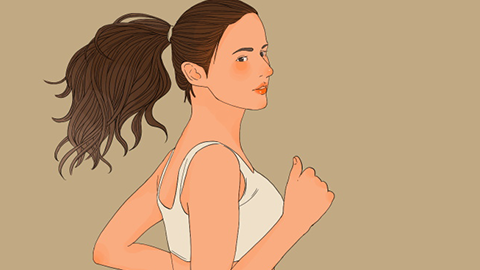
2. Maintain Moderate Exercise: Physical activity promotes metabolism and sweating, aiding in the elimination of dampness. Suitable options include yoga, brisk walking, and jogging, ideally 3–4 times per week for about 30 minutes each session, avoiding excessive exertion. After exercising, promptly wipe off sweat and change into dry, breathable clothing to prevent re-entry of dampness.
3. Pay Attention to Menstrual Care: During menstruation, the body's resistance is lower, so it is important to avoid getting caught in the rain, wading through water, or staying in damp environments for prolonged periods to prevent invasion by damp pathogens. Avoid tight, non-breathable clothing, maintain external genital hygiene and dryness, and avoid consuming raw, cold, or spicy foods. Drinking warm soups or broths may help reduce the impact of damp-heat on menstrual health.
4. Improve the Living Environment: Keep living spaces well-ventilated and dry. Use dehumidifying equipment during rainy weather and ensure clothes and bedding are fully dried. Avoid sleeping close to damp walls or directly on the floor to reduce the entry of environmental dampness through the skin, creating a dry and comfortable environment for recovery.
5. Incorporate Mild Dietary Therapies: Options include drinking water boiled with coix seed, lotus seeds, and lily bulbs, or stewed lean meat with wax gourd and poria (Fuling). These dietary therapies can help resolve dampness and clear heat without damaging the spleen and stomach. It is important to maintain dietary therapy over a long period and understand that it cannot replace medication. Professional medical intervention should be sought when symptoms are significant.
Regulating a damp-heat constitution in women is a long-term process that requires patience and healthy lifestyle habits. If symptoms such as menstrual irregularities, recurring acne, abnormal and odorous vaginal discharge occur, professional medical assistance should be sought promptly.




