


How to control and manage hypertension
Sep 13, 2022
Source: Cainiu Health

Dr. Li Man
Introduction
Hypertension can be managed through lifestyle modifications and medication. Management of hypertension includes lifestyle interventions, with key measures such as reducing sodium intake, increasing potassium intake, maintaining a reasonable and balanced diet, controlling body weight, quitting smoking and limiting alcohol consumption, increasing physical activity, reducing mental stress, and maintaining psychological well-being. It is also recommended to consume more green vegetables and fruits, and to supplement with high-quality protein and fiber.
Hypertension refers to elevated blood pressure that exerts excessive force on the walls of blood vessels, which may lead to symptoms such as dizziness and vertigo. In individuals with hypertension, blood pressure levels may rise significantly during periods of irritability or emotional excitement. Additionally, consuming spicy foods or foods high in salt in daily diet may worsen the condition of hypertension. So, how can hypertension be controlled and managed?
How to Control and Manage Hypertension
Hypertension can be managed through lifestyle modifications and medication. Lifestyle interventions are key components of hypertension management and include reducing sodium intake, increasing potassium intake, maintaining a reasonable and balanced diet, controlling body weight, quitting smoking and limiting alcohol consumption, increasing physical activity, reducing mental stress, and maintaining psychological well-being.
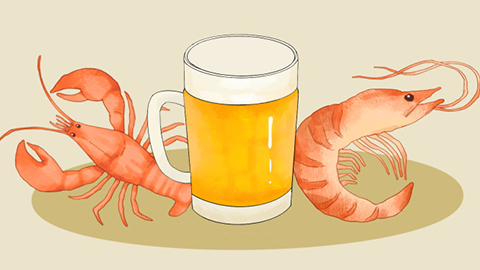
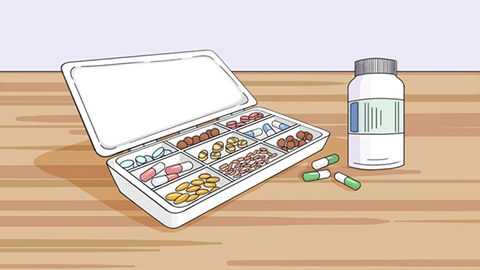
Drug therapy: If blood pressure remains uncontrolled despite lifestyle changes, antihypertensive medications may be used. Commonly used antihypertensive drugs include angiotensin-converting enzyme (ACE) inhibitors, angiotensin II receptor blockers (ARBs), beta-blockers, calcium channel blockers, diuretics, and alpha-blockers. Treatment should follow an individualized approach based on the patient’s blood pressure levels, age, complications, and coexisting conditions to achieve target blood pressure goals. A rational diet is essential—patients should follow a low-salt, low-fat diet, with daily salt intake less than 6 grams, increase intake of potassium-rich foods, and avoid foods high in fat.
Eat more green vegetables and fruits, consume adequate high-quality protein and dietary fiber, engage in regular physical activity, maintain a healthy weight, keep a regular sleep schedule, and avoid staying up late. We hope this information is helpful to you. Wishing you good health and a happy life!






