


Can pregnant women eat preserved eggs (pidan)?
Aug 29, 2025
Source: Cainiu Health

Dr. Yu Yongchao
Introduction
Under normal circumstances, pregnant women can eat preserved eggs (pi dan), but should do so in moderation. When consuming preserved eggs, be sure to choose products from reputable manufacturers that have passed quality inspections, and avoid purchasing preserved eggs of unknown origin to prevent excessive heavy metal content. The amount consumed each time should be strictly controlled; a small portion of 1-2 small pieces is recommended, and excessive consumption should be avoided. Before eating, thoroughly rinse the outer shell with clean water, and after cutting, it can be consumed with seasonings such as vinegar and minced ginger.
Generally speaking, pregnant women can eat preserved eggs (pidan), but they should consume them in moderation. The detailed explanation is as follows:
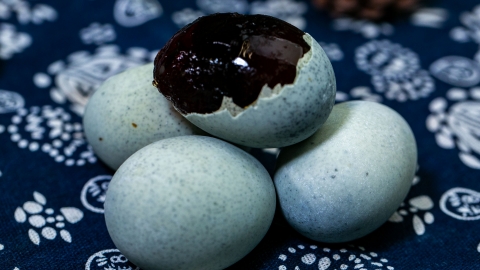
Preserved eggs have a unique flavor after processing, and moderate consumption can improve appetite for some pregnant women, helping to alleviate discomfort such as nausea and loss of appetite during early pregnancy. They contain a certain amount of protein and minerals, which can provide minor nutritional benefits. However, it should be noted that preserved eggs are processed egg products, and their nutrient content is somewhat reduced compared to fresh eggs. They should not be considered a primary source of nutrition and should only be consumed occasionally in small amounts to satisfy cravings.
When consuming preserved eggs, always choose products produced by reputable manufacturers that have passed quality inspections, and avoid purchasing eggs of unknown origin to prevent excessive heavy metal content. Each serving should be strictly controlled—consuming 1–2 small pieces is sufficient, and overconsumption should be avoided. Before eating, thoroughly rinse the outer shell with clean water. After cutting, they can be consumed with seasonings such as vinegar or minced ginger to reduce potential risks. Pregnant women who have weak digestive systems or suffer from conditions such as hypertension or kidney disease should avoid eating preserved eggs. After consumption, pay attention to your body's reactions, and if any discomfort occurs, stop eating them immediately and consult a doctor.





