


Do filiform warts undergo cancerous changes?
Sep 05, 2025
Source: Cainiu Health

Dr. Liu Wenmin
Introduction
Under normal circumstances, filiform warts generally do not undergo malignant transformation. They are caused by infection with low-risk types of human papillomavirus (HPV), which differ from the high-risk HPV types associated with cancer development. Malignant transformation is extremely rare in clinical practice. There is usually no need for excessive concern regarding the risk of cancerous changes in filiform warts. If the warts affect daily life or appearance, they can be removed through standard medical treatments such as laser therapy or cryotherapy.
Generally, filiform warts do not undergo cancerous transformation. They are usually caused by infection with low-risk types of human papillomavirus (HPV), which are different from the high-risk HPV types associated with cancer development. Malignant transformation is extremely rare in clinical practice. Detailed analysis is as follows:
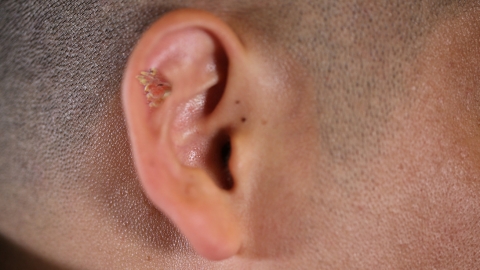
The viruses responsible for filiform warts are mostly low-risk HPV subtypes such as HPV 1, 2, and 4. These subtypes only stimulate abnormal proliferation of epidermal skin cells, forming benign, thread-like skin growths. They do not damage deeper skin tissues or cause malignant cellular transformation. According to clinical data, there is currently no clear evidence worldwide indicating that filiform warts can directly develop into skin cancer. In most cases, these warts affect only appearance and do not pose a serious threat to health. Even when slight changes in the wart's appearance or color occur, these are usually due to viral replication or local irritation, rather than signs of cancerous change.
There is generally no need for excessive concern regarding the possibility of filiform warts becoming cancerous. If the warts affect daily life or aesthetics, they can be safely removed through standard medical treatments such as laser therapy or cryotherapy. After removal, maintaining cleanliness of the affected skin area and avoiding repeated irritation can effectively prevent infection and recurrence.






