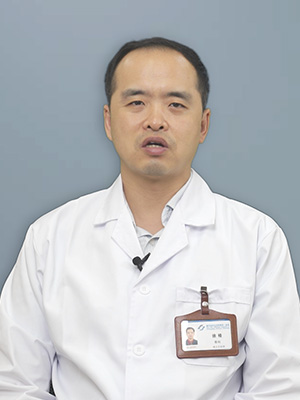
How to treat scoliosis effectively?
Sep 23, 2025
Source: Cainiu Health

Dr. Chen Jian
Introduction
Scoliosis cannot be reversed simply by "resting," but most patients can control its progression and improve appearance and function through standardized interventions, with only a minority requiring surgery. The condition may be caused by genetic factors, neuromuscular disorders, skeletal developmental abnormalities, or long-term asymmetric loading. Early signs often include shoulder height discrepancy, asymmetrical waistline, or pelvic tilt, and the period of rapid growth during adolescence is when these signs are most commonly overlooked by parents.
Spinal scoliosis cannot be reversed simply by "resting," but most patients can control progression and improve appearance and function through standardized interventions, with only a minority requiring surgery. Causes include genetic factors, neuromuscular disorders, skeletal developmental abnormalities, or long-term asymmetric loading. Early signs often include shoulder height discrepancy, uneven waistline, or pelvic tilt—changes that are easily overlooked by parents during adolescents' growth spurts.
1. Postural Correction
For adolescents with a Cobb angle less than 20°, Schroth or SEAS-specific exercises are the first-line treatment, performed more than three times per week, combined with symmetrical activities such as swimming and Pilates. Emphasis should be placed on strengthening muscles on the concave side and stretching fascia on the convex side. A rehabilitation specialist should reassess every six weeks and adjust exercises accordingly.
2. Bracing Treatment
For individuals with open growth plates and a Cobb angle between 25° and 40°, it is recommended to wear a Boston or Chêneau-type brace for 20–23 hours daily until skeletal maturity. X-rays should be taken every four months; if curvature progresses by more than 5°, the brace should be replaced or combined with exercise therapy. Daily chest-expansion breathing exercises are recommended during bracing to prevent thoracic deformity.
3. Physical Therapy
Electrical stimulation, traction, or shockwave therapy may serve only as adjuncts to relieve muscle fatigue or pain and cannot replace active exercise training. Traction is contraindicated in patients with osteoporosis or syringomyelia.
4. Pharmacological Treatment
NSAIDs and muscle relaxants are used for short-term pain relief. Calcium and vitamin D supplements are indicated for those with low bone mass. None of these medications alter scoliosis curvature, and continuous use should not exceed two weeks.
5. Surgical Treatment
Surgery—posterior spinal fusion with rod-screw instrumentation and bone grafting—is considered when the curve is ≥45° with ongoing progression, or when respiratory compromise or neurological symptoms are present. Preoperative assessment must include pulmonary function and spinal cord status. Postoperatively, bracing is required for 3–6 months, along with continued core muscle strengthening exercises.
Adolescents should have standing full-spine radiographs every 3–6 months; adults with stable curves should be imaged annually. Backpack weight should be kept under 10% of body weight, and a medium-firm mattress is recommended for sleep. Women planning pregnancy should undergo pre-pregnancy evaluation of spinal balance and pelvic obliquity, with multidisciplinary management involving obstetrics and spinal surgery when necessary.