


Which has higher purine content, broccoli or cauliflower?
Nov 07, 2025
Source: Cainiu Health

Dr. Yu Yongchao
Introduction
According to data on purine content in common foods, broccoli contains approximately 20–30 mg of purines per 100 grams, while cauliflower contains about 30–40 mg per 100 grams, making cauliflower relatively higher in purine content. However, both are significantly below the threshold for high-purine foods, and moderate daily consumption typically does not impose a noticeable burden on metabolic processes for most people.
Generally speaking, cauliflower has a slightly higher purine content than broccoli, but both are considered low-purine foods. If in doubt, it is recommended to consult a healthcare professional in advance. Detailed analysis is as follows:
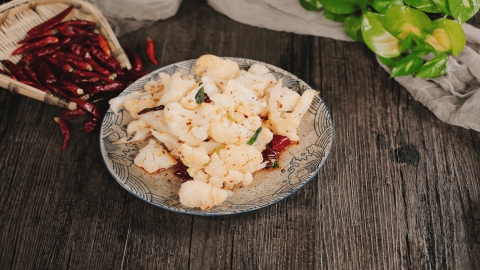
According to common food purine content data, broccoli contains approximately 20–30 mg of purines per 100 grams, while cauliflower contains about 30–40 mg per 100 grams, making its purine level relatively higher. However, both values are far below the threshold for high-purine foods (typically defined as over 150 mg of purines per 100 grams). Moderate daily consumption generally does not place a significant burden on metabolic processes for most people, nor does it cause substantial fluctuations in blood uric acid levels.
For individuals who need to control their purine intake—such as those with elevated uric acid levels or related metabolic conditions—both broccoli and cauliflower can be included regularly in the diet without excessive restriction. However, portion sizes should still be monitored; consuming large amounts of multiple low-purine foods at once may lead to an excessive total purine intake. Additionally, each vegetable offers unique nutritional benefits: broccoli is rich in vitamin C and dietary fiber, while cauliflower provides higher levels of vitamin K and folate. Including both in a balanced diet contributes to more comprehensive nutrient intake.
Before consumption, both broccoli and cauliflower should be thoroughly washed to remove surface impurities and potential residues. For cooking, mild methods such as blanching or stir-frying with minimal oil are recommended to reduce fat intake.





