Is cervical lesion grade 3 considered a mild condition?
Nov 11, 2025
Source: Cainiu Health

Dr. Zhang Lu
Introduction
In general, cervical lesion grade 3 is not a mild condition but rather a relatively severe stage of cervical pathology. Once cervical lesion grade 3 is detected, prompt medical evaluation is necessary to complete further examinations, determine the extent of the lesion, and assess whether there is any infiltration. Delaying treatment is not advisable. After treatment, regular follow-up appointments should be conducted as directed by the physician to monitor cervical cell changes and prevent recurrence or progression of the lesion.
In general, cervical lesion grade 3 is not considered a mild condition, but rather a relatively severe stage of cervical pathology. The detailed analysis is as follows:
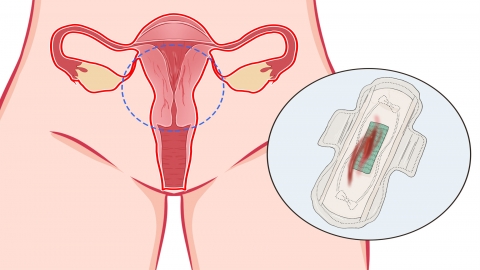
Cervical lesion grade 3 typically indicates significant abnormal cell proliferation in the cervix, with abnormal cells involving the full thickness of the cervical epithelium. In some cases, there may be early signs of invasive tendency. If not promptly treated, these abnormal cells may continue to develop, break through the cervical epithelial layer, and progress into cervical cancer, posing a serious threat to life and health. Lesions at this stage cannot reverse spontaneously, and simple observation or medication is unlikely to completely eliminate the abnormal cells. Standard medical intervention is required to halt disease progression and prevent the development of malignant tumors.
Once cervical lesion grade 3 is diagnosed, patients should seek medical attention promptly for further evaluation to determine the extent of the lesion and whether any invasion has occurred; delaying treatment is not advisable. After treatment, regular follow-up examinations are essential according to medical advice to monitor changes in cervical cells and prevent recurrence or progression of the lesion. In daily life, maintaining good external genital hygiene, avoiding unhygienic sexual practices, and reducing the risk of cervical infections are important. Additionally, maintaining a positive mindset and actively cooperating with treatment can help avoid anxiety-related impacts on recovery and long-term follow-up care.