


Can vaginitis cause diarrhea?
Nov 11, 2025
Source: Cainiu Health

Dr. Zhang Lu
Introduction
In general, vaginitis primarily affects the female reproductive system, and whether it causes diarrhea depends on specific associated factors. If discomfort occurs, timely medical consultation is recommended. During an episode of vaginitis, attention should be paid to personal hygiene, including frequent changing of underwear and keeping the external genital area clean to prevent secretions from contaminating the anal region. Additionally, maintain good dietary hygiene and avoid consuming raw, cold, or unclean food.
Generally, vaginitis primarily affects the female reproductive system, and whether it causes diarrhea depends on specific associated factors. If discomfort occurs, timely medical consultation is recommended. Detailed analysis is as follows:
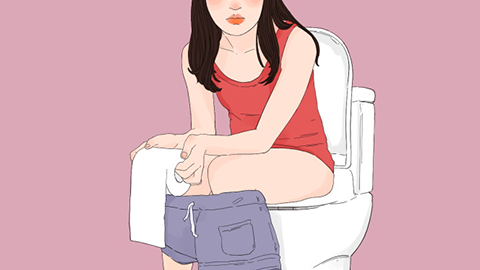
If vaginitis only presents local symptoms such as external genital itching, abnormal vaginal discharge, or a burning sensation in the vagina, and there is no concurrent intestinal infection or other digestive system issues, it typically does not cause diarrhea. In such cases, the inflammation is confined to the reproductive system and does not affect the intestines, thus not interfering with normal intestinal function. Diarrhea is usually related to digestive factors such as improper diet or intestinal flora imbalance and is not directly linked to vaginitis.
However, if vaginitis is caused by specific pathogens that spread to the intestines, or if poor personal hygiene leads to secondary intestinal infection, diarrhea may occur indirectly. For example, in bacterial or fungal vaginitis, if secretions contaminate the perianal skin or enter the intestines, they may irritate the intestinal mucosa, triggering intestinal inflammation and resulting in symptoms such as diarrhea and abdominal pain. In these cases, diarrhea has an indirect association with vaginitis.
During an episode of vaginitis, attention should be paid to personal hygiene: change underwear frequently, keep the external genital area clean, and avoid contamination of the perianal region by secretions. Additionally, maintain good dietary hygiene by avoiding raw, cold, or unclean foods to reduce the risk of intestinal infections. If diarrhea occurs during treatment for vaginitis, monitor whether it is accompanied by symptoms such as fever or mucus in the stool, and seek prompt medical evaluation to determine the cause and prevent delays in treating either condition.


