


Does a vaginal wall cyst that has been present for over ten years require treatment?
Nov 11, 2025
Source: Cainiu Health

Dr. Zhang Lu
Introduction
Whether a vaginal cyst that has existed for over ten years requires treatment generally depends on several factors, including changes in the cyst's size, presence of symptoms, impact on daily life, potential risk of malignant transformation, and whether there is a need for future fertility. If the cyst has remained small over the past decade without significant growth, it indicates slow progression and minimal pressure on surrounding tissues, and thus can usually be monitored conservatively without immediate intervention.
Whether a vaginal wall cyst that has existed for over ten years requires treatment generally depends on several factors, including changes in the cyst's size, presence of symptoms, impact on daily life, potential for malignant transformation, and whether there is a desire for future pregnancy. Specific analysis is as follows:
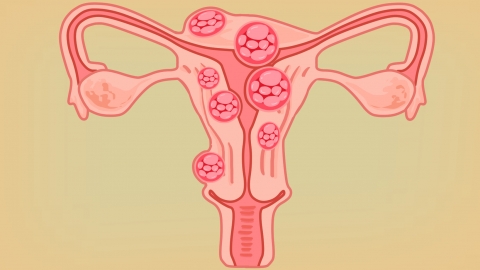
1. Changes in cyst size: If the cyst has remained small over the past decade without significant growth, this indicates slow progression and minimal pressure on surrounding tissues. In such cases, immediate treatment may not be necessary; regular observation and follow-up examinations are usually sufficient to monitor any changes.
2. Presence of symptoms: If the cyst has not caused vaginal pain, itching, abnormal discharge, or difficulties with urination or bowel movements, and there are no noticeable physical discomforts, continued observation is acceptable. However, if any of these symptoms develop and affect comfort, timely treatment should be sought to relieve discomfort.
3. Impact on daily life: If the cyst does not interfere with sexual activity or daily routines, treatment may be postponed. However, if the cyst is large enough to cause pain during intercourse or impair mobility, thereby reducing quality of life, intervention is recommended to improve the condition.
4. Risk of malignant transformation: Vaginal wall cysts are mostly benign, but long-standing cysts require monitoring for possible malignant changes. If imaging or clinical exams reveal changes in texture or shape of the cyst, or if there is abnormal bleeding, further evaluation should be performed to rule out malignancy. Treatment or surgical removal may be necessary if suspicious features arise.
5. Fertility considerations: For individuals planning pregnancy, it’s important to assess whether the cyst could affect fertility or pose risks during pregnancy. If the cyst might obstruct sperm passage or enlarge during gestation, potentially causing complications, treatment before conception is advisable. If there is no fertility plan and the cyst remains stable and asymptomatic, ongoing observation is appropriate.
In daily life, maintain good vulvar hygiene and avoid irritation to the cyst area. If the cyst increases in size, symptoms worsen, or any unusual changes occur, prompt medical consultation is recommended so that a healthcare provider can determine an appropriate treatment plan.







