


Can poor mood lead to decreased immunity?
Nov 14, 2025
Source: Cainiu Health

Dr. Yang Ziqi
Introduction
Whether poor mood leads to decreased immunity depends on the duration of the emotional state. Short-term, mild mood fluctuations generally do not affect immune function. However, prolonged anxiety, depression, or other negative emotions can weaken the immune system. It is important to actively manage emotions in daily life—relieve stress through physical exercise and seek emotional support by communicating with family and friends. Maintain regular sleep patterns and a balanced diet.
Whether poor mood leads to decreased immunity depends on the duration of the emotional state. Short-term, mild mood fluctuations generally do not affect immunity; however, prolonged anxiety, depression, or other negative emotions can weaken the immune system.
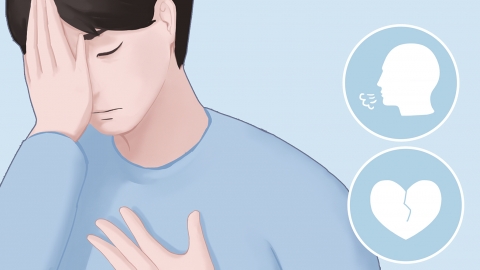
When experiencing temporary low moods, such as occasional irritability or sadness, the body's regulatory systems can quickly compensate, and immune function remains largely undisturbed. In such cases, simply talking to someone, listening to music, or otherwise releasing emotions is usually sufficient to restore well-being, and there is no need for excessive concern about immunity.
Chronic negative emotions trigger the body to release stress hormones, which suppress the activity of immune cells and lead to a sustained decline in immunity. Individuals in this state are more susceptible to colds, bacterial infections, and slower wound healing, creating a vicious cycle between poor emotional health and weakened immunity.
In daily life, it's important to actively manage emotions—engaging in physical exercise to relieve stress and communicating regularly with family and friends for emotional support. Maintaining regular sleep patterns and a balanced diet provides the body with adequate nutrition, strengthening the immune system from both emotional and physiological perspectives.








