What causes hallucinations during sleep paralysis?
Nov 14, 2025
Source: Cainiu Health

Dr. Zhang Baohua
Introduction
Sleep paralysis with hallucinations may be caused by sleep cycle disturbances, excessive mental stress, anxiety disorders, neurasthenia, or sleep apnea syndrome. If uncomfortable symptoms occur, prompt medical consultation is recommended. Prolonged熬夜 (staying up late), irregular作息 (daily routines), and abnormal transitions between sleep stages can lead to confusion between REM sleep and wakefulness, triggering sleep paralysis and hallucinations.
Sleep paralysis with hallucinations may be caused by sleep cycle disturbances, excessive mental stress, anxiety disorders, neurasthenia, or sleep apnea syndrome. If discomfort occurs, prompt medical consultation is recommended. Specific causes are analyzed as follows:
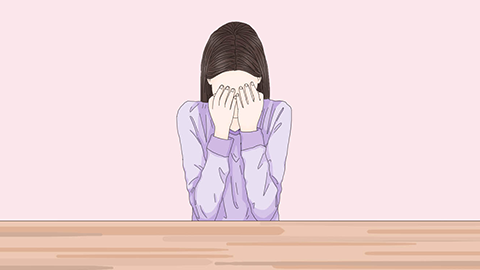
1. Sleep cycle disturbance: Long-term熬夜, irregular作息 can lead to abnormal transitions between sleep stages, causing confusion between REM sleep and wakefulness, thus triggering sleep paralysis and hallucinations. Adjust your schedule by maintaining consistent sleep and wake times, ensuring 7–8 hours of sleep daily, and avoiding overstimulation before bedtime.
2. Excessive mental stress: Prolonged high-pressure states keep the brain's nerves continuously tense, preventing full relaxation during sleep, disrupting sleep rhythms, and inducing sleep paralysis and hallucinations. Stress can be relieved through exercise, meditation, or listening to soothing music before bed.
3. Anxiety disorder: Anxiety increases autonomic nervous system activity, reducing sleep quality and frequently causing sleep paralysis and hallucinations, often accompanied by palpitations and restlessness. Medications such as buspirone tablets, tandospirone capsules, or lorazepam tablets may be taken under medical guidance, along with psychological counseling to alleviate anxiety.
4. Neurasthenia: Chronic mental tension leads to easy fatigue of brain nerves, resulting in disordered sleep architecture, sleep paralysis, hallucinations, and symptoms such as memory decline and insomnia. Treatment may include oryzanol tablets, vitamin B1 tablets, or estazolam tablets as prescribed, while avoiding excessive mental exertion.
5. Sleep apnea syndrome: Breathing pauses during sleep cause cerebral hypoxia, disrupting the sleep cycle and leading to sleep paralysis and hallucinations, often accompanied by snoring and daytime sleepiness. Doctors may recommend continuous positive airway pressure (CPAP) therapy; if necessary, medications such as aminophylline tablets, acetazolamide tablets, or protriptyline tablets may be prescribed to improve respiration.
In daily life, maintain a regular sleep schedule and a comfortable sleeping environment, and avoid caffeine intake before bedtime. If symptoms occur frequently, seek timely medical evaluation to identify the underlying cause and prevent adverse effects on physical and mental health.