


What should I do when my child is extremely anxious?
Nov 14, 2025
Source: Cainiu Health

Dr. Zhang Baohua
Introduction
In general, a child's severe anxiety may be caused by factors such as incomplete neurological development, excessive stress response, separation anxiety disorder, generalized anxiety disorder, or comorbid depressive symptoms. It is recommended to seek medical attention promptly, identify the underlying cause, and then improve the condition through general interventions, medication, and other treatments under a doctor's guidance. Maintain regular daily routines and diet in everyday life, and avoid placing excessive pressure on the child.
Under normal circumstances, a child's severe anxiety may be caused by incomplete neurological development, excessive stress response, separation anxiety disorder, generalized anxiety disorder, comorbid depressive mood, and other reasons. It is recommended to seek medical attention promptly, identify the underlying cause, and then improve symptoms through general interventions, medication, and other methods under a doctor's guidance. Specific analyses are as follows:
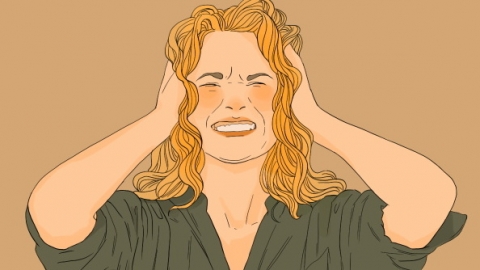
1. Incomplete Neurological Development: A child's brain centers responsible for emotional regulation are not yet fully mature, resulting in low tolerance for stimuli and increased susceptibility to anxiety. Parents should avoid displaying tense emotions in front of their children, use picture books or animations to teach emotional awareness, and provide physical comfort such as hugging to enhance the child’s sense of security.
2. Excessive Stress Response: Sudden events such as changing schools or exams may exceed a child's adaptive capacity, triggering intense anxiety. Parents can help by introducing the child to new environments in advance, breaking large goals into smaller tasks—for example, getting to know one new classmate per day—to gradually reduce stress levels.
3. Separation Anxiety Disorder: Anxiety episodes occur when separated from primary caregivers, manifesting as crying, tantrums, or refusal to attend school. A gradual separation approach is recommended, starting with brief separations and progressively increasing duration. Under medical supervision, medications specifically approved for children—such as sertraline hydrochloride tablets, fluvoxamine maleate tablets, or buspirone hydrochloride tablets—may be used as adjunctive treatments.
4. Generalized Anxiety Disorder: The child experiences excessive worry about multiple aspects of life, such as academic performance or health, accompanied by sleep disturbances and difficulty concentrating. Treatment may include medications such as fluoxetine capsules, paroxetine hydrochloride tablets, or tandospirone citrate capsules, prescribed under a doctor's supervision, along with cognitive behavioral therapy tailored for children.
5. Comorbid Depressive Mood: Prolonged untreated anxiety may lead to depression, characterized by both anxious feelings and low mood, along with reduced interest in activities. Medications such as venlafaxine extended-release tablets, mirtazapine tablets, or sertraline tablets may be used as directed by a physician. Additionally, parents should spend quality time engaging in the child's favorite activities to promote positive emotions.
Maintain regular daily routines and balanced nutrition, and avoid placing excessive pressure on the child. Encourage children to express their anxiety through drawing or verbal communication, and listen patiently without judgment. Engage in parent-child games and outdoor physical activities to relieve stress and help children build confidence in managing anxiety.



