


How to alleviate withdrawal symptoms
Nov 14, 2025
Source: Cainiu Health

Dr. Zhang Baohua
Introduction
In general, withdrawal symptoms are mostly caused by physical dependence on addictive substances, neurotransmitter imbalances, autonomic nervous system dysfunction, increased emotional stress, and reduced adaptive capacity of organ functions. It is recommended to seek medical attention promptly, identify the underlying cause, and receive symptomatic treatment under a doctor's guidance. In daily life, avoid environments and people associated with addictive substances, and establish a regular作息 routine and a light diet plan.
Under normal circumstances, withdrawal symptoms are mostly caused by physical dependence on addictive substances, neurotransmitter imbalances, autonomic nervous system dysfunction, intensified emotional stress, and decreased adaptive capacity of organ functions. It is recommended to seek medical attention promptly, identify the underlying cause, and receive symptomatic treatment under a doctor's guidance. Specific analyses are as follows:
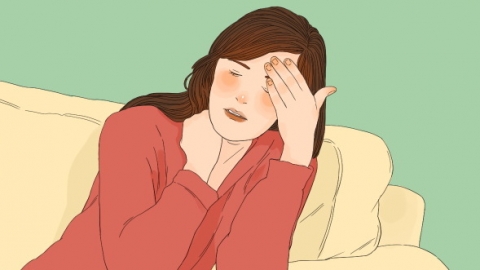
1. Physical dependence on addictive substances: Long-term intake of alcohol, drugs, or similar substances leads the body to develop adaptability; discomfort occurs upon sudden cessation. A gradual tapering approach is recommended to slowly reduce intake and avoid abrupt discontinuation, along with supplementation of B-complex vitamins to support metabolism.
2. Neurotransmitter imbalance: Addictive substances interfere with dopamine and serotonin secretion, leading to anxiety, insomnia, and other symptoms due to neurotransmitter disruption after withdrawal. Follow medical advice to use medications such as sertraline hydrochloride tablets, fluvoxamine maleate tablets, or buspirone hydrochloride tablets for regulation, combined with meditation to stabilize the nervous system.
3. Autonomic nervous system dysfunction: Withdrawal stimulates sympathetic nerve activity, causing symptoms such as palpitations and excessive sweating. Immediately rest in bed, use lukewarm water to wipe the body for cooling, and if necessary, take medications such as metoprolol tartrate tablets, oryzanol tablets, or vitamin B1 tablets as directed by a physician to alleviate symptoms.
4. Increased emotional stress: Psychological cravings during withdrawal can trigger intense anxiety and irritability, worsening physical symptoms. Seek support from a mental health professional and utilize cognitive behavioral therapy to adjust thought patterns. Family encouragement is also important to help build confidence in overcoming addiction.
5. Reduced organ functional adaptability: Prolonged exposure to addictive substances damages the function of vital organs such as the heart and brain, resulting in compensatory discomfort during withdrawal. Under medical supervision, use organ-protective medications such as coenzyme Q10 capsules, silybin capsules, or inosine tablets. Hospitalization may be required in severe cases for close monitoring of organ function.
In daily life, avoid environments and social circles associated with addictive substances. Establish a regular sleep schedule and follow a light, balanced diet. Develop healthy hobbies such as exercise or painting to divert attention, and undergo regular medical checkups to monitor key health indicators, ensuring a safe and stable recovery process.


