


What is the function of the rectum?
Nov 14, 2025
Source: Cainiu Health

Dr. Li Jingxiang
Introduction
As the terminal organ of the human digestive system, the rectum plays important roles including storing feces, sensing defecation signals, assisting in defecation, absorbing small amounts of nutrients, and protecting intestinal health. These functions collectively maintain normal bowel elimination. To preserve normal rectal function, it is essential to maintain a balanced diet in daily life and consume adequate dietary fiber to promote intestinal motility.
The rectum, as the terminal organ of the human digestive system, plays several key roles including fecal storage, sensing defecation signals, assisting in defecation, absorbing small amounts of nutrients, and protecting intestinal health. These functions together maintain normal bowel elimination. A detailed analysis is as follows:
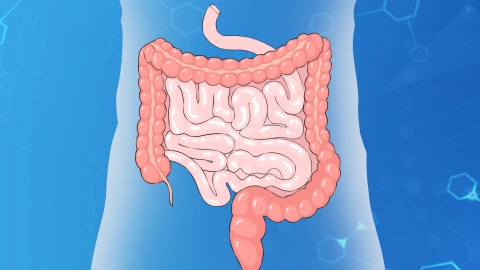
1. Fecal Storage: The rectum has a certain degree of distensibility, allowing it to temporarily store feces transported from the sigmoid colon. As feces enter the rectum, the rectal wall gradually expands, typically accommodating 100–300 mL of fecal matter. This prevents frequent bowel movements and provides a relatively stable elimination cycle that fits daily life routines.
2. Sensing Defecation Signals: The rectal wall contains abundant pressure receptors and nerve endings. When accumulated feces increase intrarectal pressure beyond a certain threshold, these receptors transmit signals to the spinal cord and brain, triggering the sensation of needing to defecate.
3. Assisting Defecation: During defecation, the muscular walls of the rectum contract actively, generating propulsive force to push feces toward the anus. Meanwhile, the rectum works in coordination with the anal sphincters. Under brain regulation, the internal anal sphincter relaxes while the external anal sphincter contracts selectively, enabling control over the timing and speed of fecal expulsion, ensuring an orderly defecation process.
4. Absorbing Small Amounts of Nutrients: Although the rectum's absorptive capacity is much weaker than that of the small intestine and colon, it can still absorb small quantities of water, electrolytes, and certain drug components from feces. This absorption helps slightly regulate the body’s fluid and electrolyte balance and also provides the physiological basis for rectal drug administration.
5. Protecting Intestinal Health: Mucus secreted by the rectal mucosa lubricates the surface of feces, reducing friction and potential damage to the intestinal wall. Additionally, normal peristalsis of the rectum ensures timely evacuation of contents, preventing prolonged retention of feces and minimizing toxin exposure to the intestinal mucosa, thereby lowering the risk of intestinal infection and disease.
To maintain healthy rectal function, it is important to follow a balanced diet, consume adequate dietary fiber to promote intestinal motility, establish regular bowel habits, avoid suppressing the urge to defecate, minimize adverse stimulation to the rectum, and support overall gut health.




