


Can uneven endometrium heal on its own?
Nov 14, 2025
Source: Cainiu Health

Dr. Zhang Lu
Introduction
In general, whether uneven endometrium can heal on its own mainly depends on its specific cause and the severity of the condition. It is important to maintain a regular daily routine and avoid staying up late to minimize hormonal fluctuations that may affect the endometrium. Maintain a balanced diet with adequate nutrition, eat more fresh fruits and vegetables, and avoid excessive intake of foods high in estrogen. Keep the external genital area clean and change cotton underwear frequently.
In general, whether uneven endometrium can heal on its own mainly depends on the specific cause and severity of the condition. The detailed analysis is as follows:
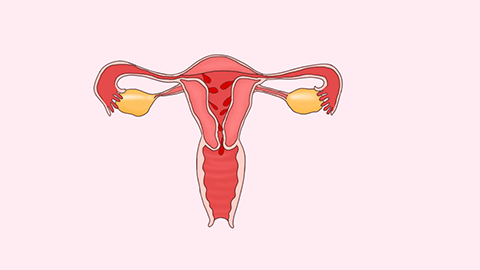
If the uneven endometrium is caused by physiological factors—such as localized endometrial proliferation or incomplete shedding due to hormonal fluctuations during the menstrual cycle—and there are no symptoms like abnormal bleeding or abdominal pain, the condition may resolve spontaneously. As subsequent menstrual cycles progress and hormone levels stabilize, the endometrium may regenerate and shed regularly, gradually returning to a uniform state. Follow-up examinations typically show normalization of endometrial echogenicity.
However, if the uneven endometrium results from pathological causes—such as endometrial polyps, submucosal fibroids, endometritis, or persistent endometrial hyperplasia caused by endocrine disorders—or is accompanied by symptoms such as prolonged menstruation, irregular bleeding, or abdominal pain, the condition is usually more severe and unlikely to resolve without medical intervention. Pathological factors continuously disrupt normal endometrial structure, so medical treatment is required to address the underlying cause and restore endometrial uniformity. Without proper management, symptoms may worsen or lead to other health complications.
In daily life, maintain a regular sleep schedule and avoid staying up late to minimize hormonal fluctuations affecting the endometrium. Eat a balanced diet rich in fresh fruits and vegetables, and avoid excessive intake of foods high in estrogen. Keep the external genital area clean, change cotton underwear frequently, and reduce the risk of infection. Follow your doctor’s recommendations for regular gynecological ultrasound examinations to monitor endometrial changes. Seek timely medical consultation if you experience menstrual abnormalities, abdominal pain, or other discomforts to prevent delayed treatment.


