What are the main manifestations of sleep disorders?
Nov 17, 2025
Source: Cainiu Health

Dr. Zhang Baohua
Introduction
Sleep disorders are a group of conditions that affect the quality and quantity of sleep, mainly characterized by difficulty falling asleep, difficulty maintaining sleep, early morning awakening, poor sleep quality, and impaired daytime functioning. Maintaining a regular sleep schedule, creating a favorable sleep environment, and regulating psychological state have positive effects on improving sleep disorders. Individuals suffering chronically can gradually restore healthy sleep patterns through lifestyle adjustments.
Sleep disorders are a group of conditions that affect the quality and quantity of sleep. Main symptoms include difficulty falling asleep, difficulty maintaining sleep, early morning awakening, poor sleep quality, and impaired daytime functioning. A detailed analysis is as follows:
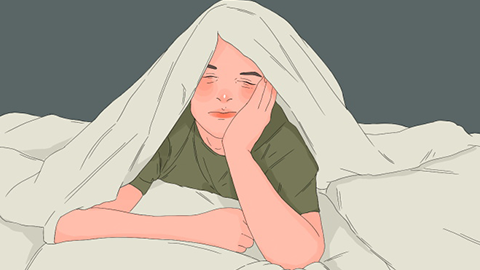
1. Difficulty falling asleep: Individuals with this symptom find it hard to fall asleep after getting into bed. Their minds remain excited or preoccupied, tossing and turning for more than 30 minutes without success. Even in a quiet and comfortable sleeping environment, they struggle to relax physically and mentally, often accompanied by irritability and anxiety.
2. Difficulty maintaining sleep: These individuals frequently wake up during the night and require a long time to fall back asleep, or may not be able to resume sleep at all. The intervals between awakenings vary, and in severe cases, they may wake up several times per night, resulting in fragmented sleep.
3. Early morning awakening: Waking up more than two hours earlier than the intended wake-up time, and being unable to fall back asleep despite attempts. After waking, individuals often experience low mood or excessive rumination, lying awake waiting for daylight, which significantly reduces total sleep duration.
4. Poor sleep quality: Although individuals appear to have fallen asleep and have sufficient sleep duration, their sleep is often characterized by frequent dreaming and easy arousal. Upon waking, they still feel physically exhausted and mentally sluggish, as if they haven't rested adequately. Some may also experience light sleep and abnormally heightened sensitivity to surrounding noises.
5. Impaired daytime functioning: Nighttime sleep problems directly impact daytime performance, manifesting as difficulty concentrating, reduced memory, and slowed reaction times. Work and study efficiency significantly decline, and symptoms such as dizziness, fatigue, and marked mood fluctuations may occur, affecting normal daily life and social interactions.
Maintaining regular作息 (daily routines), creating a favorable sleep environment, and managing psychological well-being can positively improve sleep disorders. Individuals suffering chronically can gradually restore healthy sleep patterns through lifestyle adjustments.