A depressive episode lasts for several minutes.
Nov 17, 2025
Source: Cainiu Health

Dr. Zhang Baohua
Introduction
There is no fixed standard for the duration of a depressive episode, which may last from several hours to days, or extend to months or even longer. It is not measured in minutes. The specific duration is related to the severity of the condition, individual differences, and whether intervention measures are taken. In daily life, emotional regulation can be achieved through maintaining regular作息 (sleep-wake cycles), moderate exercise, and cultivating hobbies and interests.
There is no fixed standard for the duration of a depressive episode; it may last from several hours to days, or extend to several months or even longer. It is not measured in minutes. The specific duration varies depending on the severity of the condition, individual differences, and whether interventions are applied. A detailed analysis is as follows:
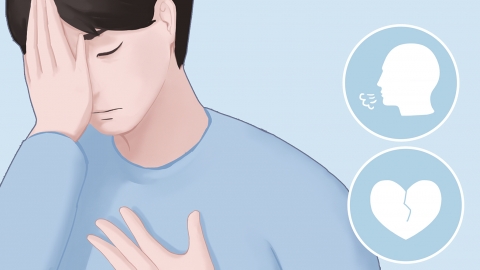
For individuals with mild depression, episodes typically manifest as low mood and reduced interest, lasting a relatively short time—usually from several hours to a few days. These symptoms may gradually subside through self-regulation or emotional support from family and friends. However, such episodes tend to recur, and without timely intervention, they may progress into persistent low mood. In moderate to severe cases, depressive episodes generally last longer, often exceeding two weeks and sometimes extending to several months. During these periods, patients remain in a prolonged state of emotional distress that is difficult to overcome independently, and may also experience sleep disturbances, fatigue, and other associated symptoms.
In daily life, maintaining regular sleep patterns, engaging in moderate physical activity, and cultivating hobbies can help regulate emotions. Avoiding prolonged isolation and excessive immersion in negative emotions may reduce both the frequency and duration of depressive episodes, thereby promoting psychological stability.