Treatment of Depressive Episodes
Mar 28, 2022
Source: Cainiu Health

Dr. Li Qi
Introduction
Treatment of Depressive Episodes:
First, pharmacotherapy—primarily using antidepressants, including tricyclic and tetracyclic antidepressants such as imipramine, clomipramine, amitriptyline, doxepin, and maprotiline. These are mainly used for both the acute and maintenance phases of depressive episodes and should be initiated at low doses.
Second, electroconvulsive therapy (ECT).
Depression is currently the most common psychological disorder, clinically characterized primarily by persistent and prolonged low mood. It represents the most significant type of mental illness among modern populations. So, what are the treatment options for depressive episodes? Let’s explore them together.
Treatment of Depressive Episodes
Treatment of depressive episodes primarily includes pharmacotherapy, electroconvulsive therapy (ECT), and psychotherapy.
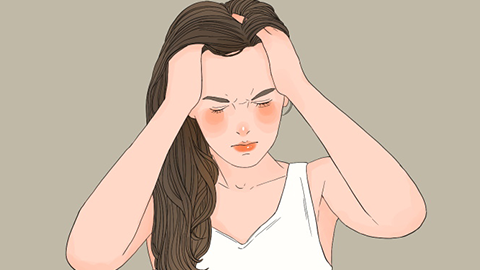
First, pharmacotherapy—mainly involving antidepressant medications. Tricyclic and tetracyclic antidepressants include imipramine, clomipramine, amitriptyline, doxepin, and maprotiline. These agents are primarily used during the acute and maintenance phases of depressive episodes. Treatment should begin with low doses; the acute phase typically lasts 6–8 weeks, and therapeutic effects usually become apparent after 2–4 weeks of treatment.
If no significant improvement is observed after 4–6 weeks, a switch to an alternative antidepressant should be considered. If the medication proves effective, it should be continued for 6–8 months during the maintenance phase before gradual dose tapering. Monoamine oxidase inhibitors (MAOIs) include moclobemide—a reversible, selective MAOI. First-line pharmacotherapy for depression consists of selective serotonin reuptake inhibitors (SSRIs), such as fluoxetine, paroxetine, sertraline, fluvoxamine, and citalopram. Other commonly used agents include trazodone, venlafaxine, and mirtazapine.
Second, electroconvulsive therapy (ECT)—primarily indicated for patients with severe suicidal ideation or those who have not responded adequately to antidepressant medications. A standard ECT course typically comprises four sessions.
Third, psychotherapy—can be administered concurrently with pharmacotherapy and includes supportive psychotherapy, cognitive therapy, behavioral therapy, interpersonal psychotherapy, marital therapy, and family therapy.
We hope the above information is helpful to you.